
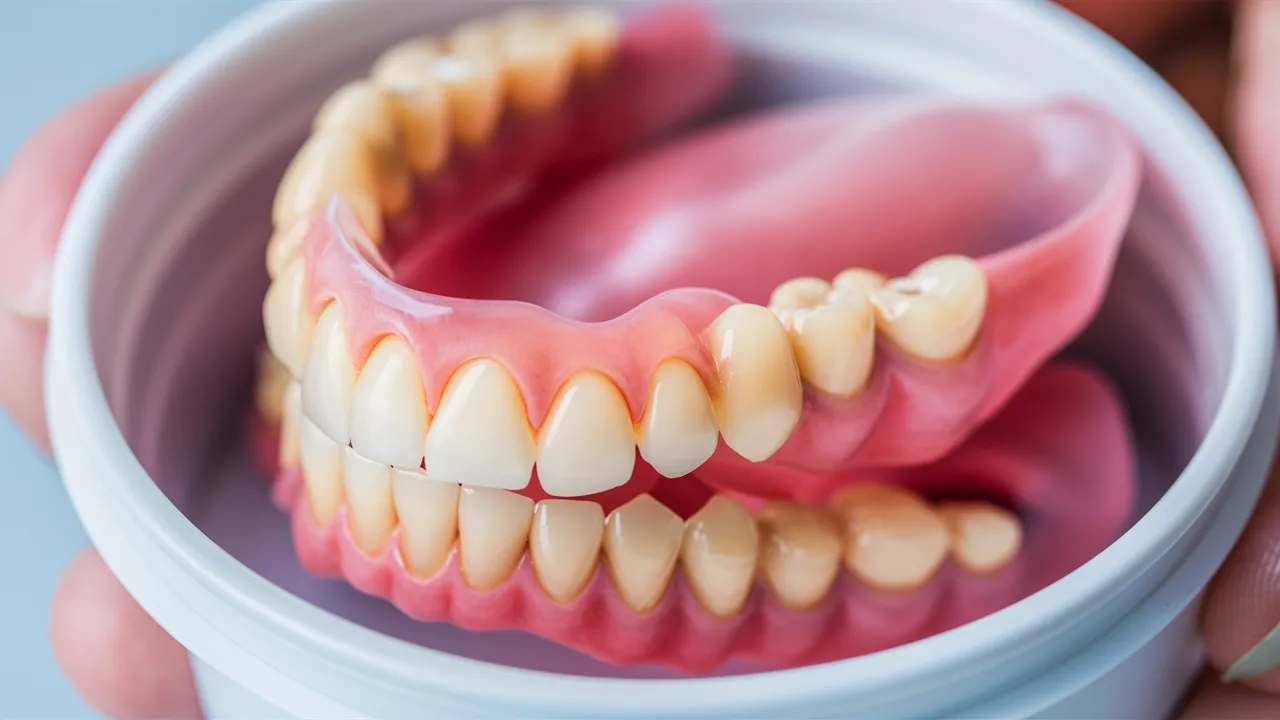
Tooth loss can significantly impact confidence, oral health, and daily comfort, but modern dentistry offers innovative solutions that restore both function and aesthetics. Among these advancements, flexible dentures have emerged as a popular alternative to traditional rigid dentures. Designed with soft, adaptable materials, flexible dentures provide a more comfortable fit, improved appearance, and enhanced durability. This comprehensive guide explores everything you need to know about flexible dentures, including their benefits, types, costs, maintenance, and why they are becoming the preferred choice for patients seeking a natural and hassle-free dental solution.
What Are Flexible Dentures?
Flexible dentures are removable dental appliances made from soft, lightweight thermoplastic materials such as nylon. Unlike traditional dentures, which are typically constructed from rigid acrylic, flexible dentures adapt to the natural contours of the mouth. This flexibility provides a secure, comfortable fit without the need for metal clasps, making them a highly aesthetic and functional option for replacing missing teeth.
Key Benefits of Flexible Dentures
1. Superior Comfort and Fit
One of the most significant advantages of flexible dentures is their ability to conform to the shape of the gums. This results in a snug, irritation-free fit, reducing discomfort often associated with rigid dentures.
2. Natural Appearance
Flexible dentures are designed to blend seamlessly with natural gums and teeth. Their translucent material mimics gum tissue, creating a realistic and discreet appearance.
3. Lightweight and Durable
The materials used in flexible dentures are both lightweight and strong, ensuring durability without compromising comfort. This makes them ideal for daily wear.
4. No Metal Clasps
Unlike traditional dentures, flexible dentures do not require visible metal components. This enhances aesthetics and eliminates potential irritation caused by metal parts.
5. Improved Oral Health
Flexible dentures distribute pressure more evenly across the gums, reducing the risk of sore spots and promoting better overall oral health.
Types of Flexible Dentures
Flexible Partial Dentures
These are used when some natural teeth remain. They fill gaps while preserving the existing teeth, offering a comfortable and visually appealing solution.
Flexible Full Dentures
Although less common, full flexible dentures are designed to replace an entire arch of teeth, providing a softer alternative to traditional full dentures.
Flexible Dentures vs Traditional Dentures
| Feature | Flexible Dentures | Traditional Dentures |
|---|---|---|
| Material | Soft, flexible nylon | Rigid acrylic |
| Comfort | High | Moderate |
| Appearance | Natural and seamless | Less realistic |
| Durability | Strong and flexible | Can be brittle |
| Clasps | No metal | Often metal |
Flexible dentures clearly stand out in terms of comfort, aesthetics, and adaptability, making them a preferred option for many patients.
Cost of Flexible Dentures
The cost of flexible dentures varies depending on factors such as location, dental clinic, and the complexity of the case. Generally, they may be slightly more expensive than traditional dentures due to advanced materials and fabrication techniques. However, their long-term comfort and durability often justify the investment.
How to Care for Flexible Dentures
Daily Cleaning Routine
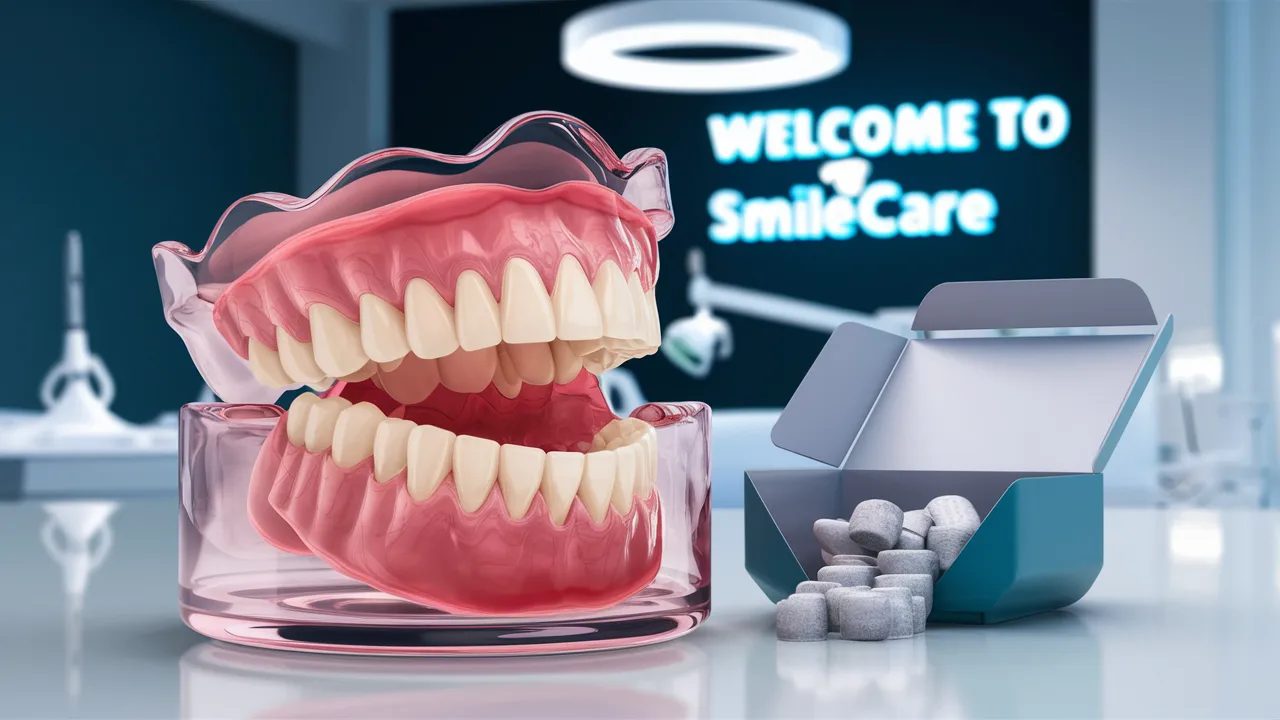
Clean your dentures daily using a soft brush and a non-abrasive cleaner to remove food particles and plaque. Avoid using harsh chemicals that could damage the material.
Proper Storage
When not in use, store dentures in water or a denture solution to maintain their flexibility and prevent drying out.
Regular Dental Checkups
Routine visits to the dentist ensure that your dentures remain in good condition and fit properly over time.
Avoid Heat Exposure
High temperatures can warp flexible dentures, so always keep them away from hot water or direct heat sources.
Who Should Consider Flexible Dentures?
Flexible dentures are ideal for individuals who:
- Seek a comfortable and natural-looking alternative to traditional dentures
- Have sensitive gums or allergies to acrylic materials
- Want a lightweight and discreet dental solution
- Need partial tooth replacement with minimal irritation
Common Challenges and Solutions
Adjustment Period
Some users may need time to adjust to wearing flexible dentures. Gradual use and proper fitting help ease the transition.
Staining Over Time
Regular cleaning and avoiding staining foods can maintain the appearance of dentures.
Limited Suitability for Complex Cases
In certain cases, traditional dentures or implants may be more appropriate. Consulting a dental professional ensures the best choice.
Advantages of Choosing Flexible Dentures
- Enhanced comfort and fit
- Natural and aesthetic appearance
- Durable and long-lasting materials
- Improved confidence and functionality
- Reduced irritation and pressure points
Conclusion
Flexible dentures represent a modern and effective solution for tooth replacement, offering unmatched comfort, aesthetics, and adaptability. By combining advanced materials with innovative design, they provide a superior alternative to traditional dentures. Whether replacing a few teeth or seeking a more comfortable option, flexible dentures deliver a reliable, natural-looking, and user-friendly experience. With proper care and professional guidance, they can significantly improve both oral health and quality of life.
Frequently Asked Questions (FAQ)
1. What are flexible dentures made of?
They are typically made from soft thermoplastic materials like nylon.
2. Are flexible dentures comfortable?
Yes, they are known for their excellent comfort and snug fit.
3. How long do flexible dentures last?
With proper care, they can last several years, depending on usage.
4. Can flexible dentures replace all teeth?
They are mainly used for partial replacement but can also be designed for full dentures in some cases.
5. Are flexible dentures expensive?
They may cost more than traditional dentures, but their comfort and durability make them a worthwhile investment.
