
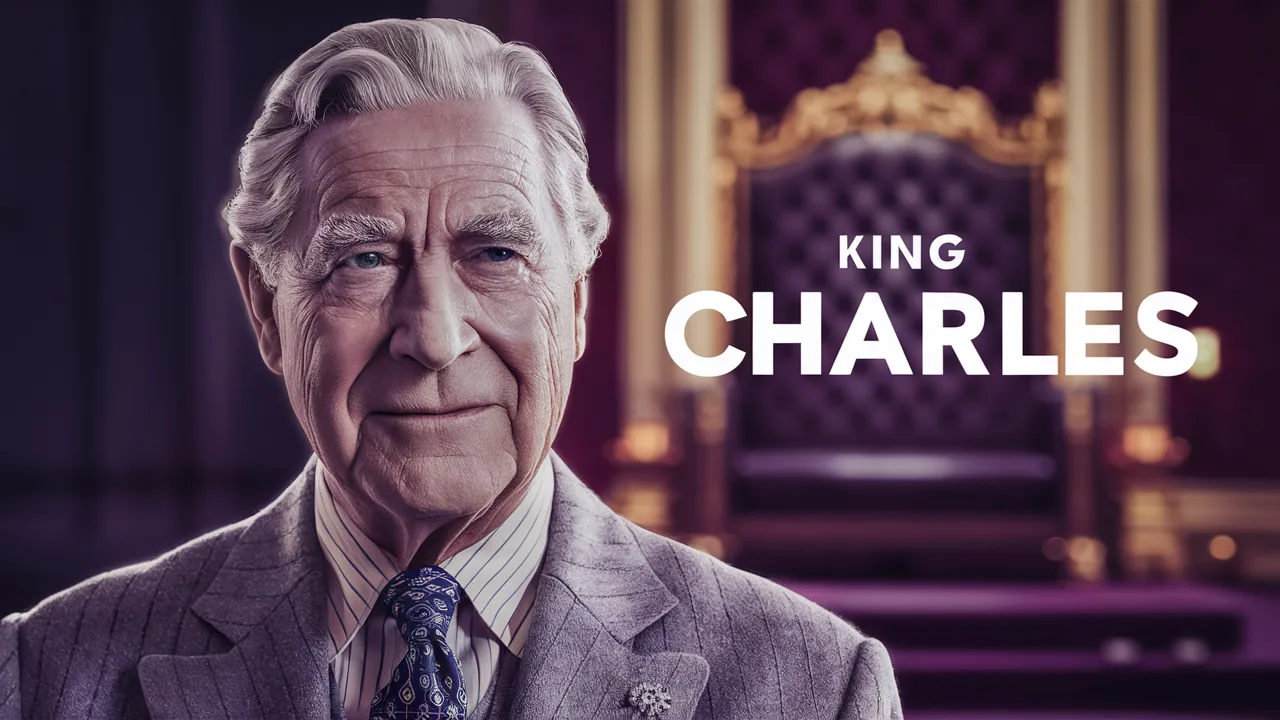
The health of public figures often becomes a topic of global interest, and this is especially true in the case of King Charles III, the reigning monarch of the United Kingdom. Since the announcement of his health condition in 2024, public attention has increased significantly, with people worldwide seeking reliable and updated information about his well-being, treatment progress, and ability to continue royal duties.
In this comprehensive article, we explore everything known about King Charles health, including his diagnosis, public updates, impact on royal responsibilities, and broader discussions about health awareness in leadership roles. While respecting privacy, we focus on verified and publicly available information to provide a clear, informative, and SEO-optimized overview of the subject.
Overview of King Charles Health Condition
The health condition of King Charles III became a subject of global discussion after Buckingham Palace confirmed that he was diagnosed with a form of cancer in early 2024. The announcement stated that the condition was discovered during treatment for an unrelated medical procedure, and that the King would begin a structured treatment plan under close medical supervision.
Although specific medical details have not been publicly disclosed, it has been confirmed that his condition is being actively managed with ongoing treatment and regular monitoring. The royal household has emphasized transparency while also maintaining privacy regarding the exact nature of his diagnosis.
This balance between public communication and medical confidentiality has shaped much of the discussion surrounding King Charles health, as global audiences continue to follow updates with interest and concern.
Treatment and Recovery Approach
The treatment plan for King Charles III has been described as carefully managed and supervised by leading medical specialists. While the exact treatment method has not been publicly detailed, it is understood that modern cancer care often involves a combination of therapies such as medication, monitoring, and supportive care tailored to the patient’s condition.
The King has temporarily adjusted his public schedule to prioritize recovery, though he continues to fulfill essential constitutional responsibilities where possible. This adaptive approach reflects a balance between personal health and royal duty.
Medical experts often emphasize that early detection and structured treatment plans significantly improve outcomes, and this principle is central to discussions around King Charles health. His situation has also raised awareness about the importance of routine medical checkups, especially in older adults.
Impact on Royal Duties and Public Responsibilities
The health of King Charles III has naturally influenced the structure of royal engagements. While he has reduced his public appearances, he continues to carry out key responsibilities, supported by senior members of the royal family.
During periods of treatment, official duties have been delegated where necessary to ensure continuity of governance and ceremonial functions. This system ensures that the monarchy remains stable even when the monarch is undergoing medical care.
The public response to King Charles health updates has been largely supportive, with many expressing encouragement and well-wishes. The situation has also highlighted the resilience of constitutional systems that allow leadership roles to adapt during health-related challenges.
Public Reaction and Global Attention
The announcement regarding King Charles III’s health received widespread media coverage and public reaction across the world. As a global figure, his condition is not only a matter of national importance in the United Kingdom but also a subject of international interest.
Public sentiment has generally been sympathetic, with many people acknowledging the pressures of public life combined with personal health challenges. The discussion surrounding King Charles health has also sparked broader conversations about aging leadership, medical transparency, and the human side of monarchy.
Social media platforms and news outlets continue to track updates closely, though official statements remain the primary source of verified information.
Health Awareness and Leadership Responsibility
One important aspect highlighted by the situation of King Charles III is the importance of health awareness among leaders. Public figures often work under intense schedules and pressure, making regular health monitoring essential.
The case of King Charles health has encouraged discussions about preventive healthcare, early diagnosis, and the importance of balancing professional duties with personal well-being. It also demonstrates how transparency in health matters can help reduce speculation and misinformation.
Moreover, it reinforces the idea that health challenges can affect anyone, regardless of status or position, and that proper medical care and support systems are crucial for recovery and quality of life.
Lifestyle and Recovery Support
While exact lifestyle adjustments for King Charles III remain private, general medical guidance for individuals undergoing treatment typically includes rest, balanced nutrition, stress management, and regular medical supervision.
In high-profile cases like this, recovery support often involves a coordinated approach between medical professionals, personal advisors, and family members. Maintaining a stable routine and reducing unnecessary stress are considered key elements in supporting overall well-being.
These general principles help contextualize discussions about King Charles health, even without access to private medical details.
Future Outlook of King Charles Health
The future outlook for King Charles III depends on ongoing treatment response and medical evaluations. Public updates from official sources indicate that he remains under care and continues to engage in selected royal duties.
As medical science continues to advance, outcomes for many conditions have improved significantly, especially when detected early and managed properly. This provides a cautious but hopeful perspective on the ongoing King Charles health journey.
The royal household is expected to continue issuing updates when necessary while maintaining respect for medical privacy.
Conclusion
The topic of King Charles health remains a significant point of global attention, reflecting both public interest in royal affairs and the universal importance of health awareness. The journey of King Charles III highlights the challenges of balancing leadership responsibilities with personal medical care, while also reinforcing the importance of transparency and structured treatment.
As updates continue to emerge, the focus remains on recovery, stability, and support. This situation also serves as a reminder that health is a vital priority for everyone, regardless of status or position, and that early care and medical attention play a crucial role in positive outcomes.
Frequently Asked Questions (FAQ)
What is King Charles health condition?
King Charles III was diagnosed with cancer in 2024, and he is currently undergoing treatment under medical supervision.
Is King Charles still performing royal duties?
Yes, but with adjustments. He has reduced his schedule while continuing essential constitutional responsibilities.
How is King Charles health being managed?
His condition is being managed through a structured treatment plan guided by medical professionals, with regular monitoring and care.
Has Buckingham Palace released detailed medical information?
No, only limited information has been shared publicly to respect privacy while confirming the diagnosis and treatment process.
What is the public reaction to King Charles health news?
The global response has been largely supportive, with many people expressing concern, encouragement, and well-wishes.
