
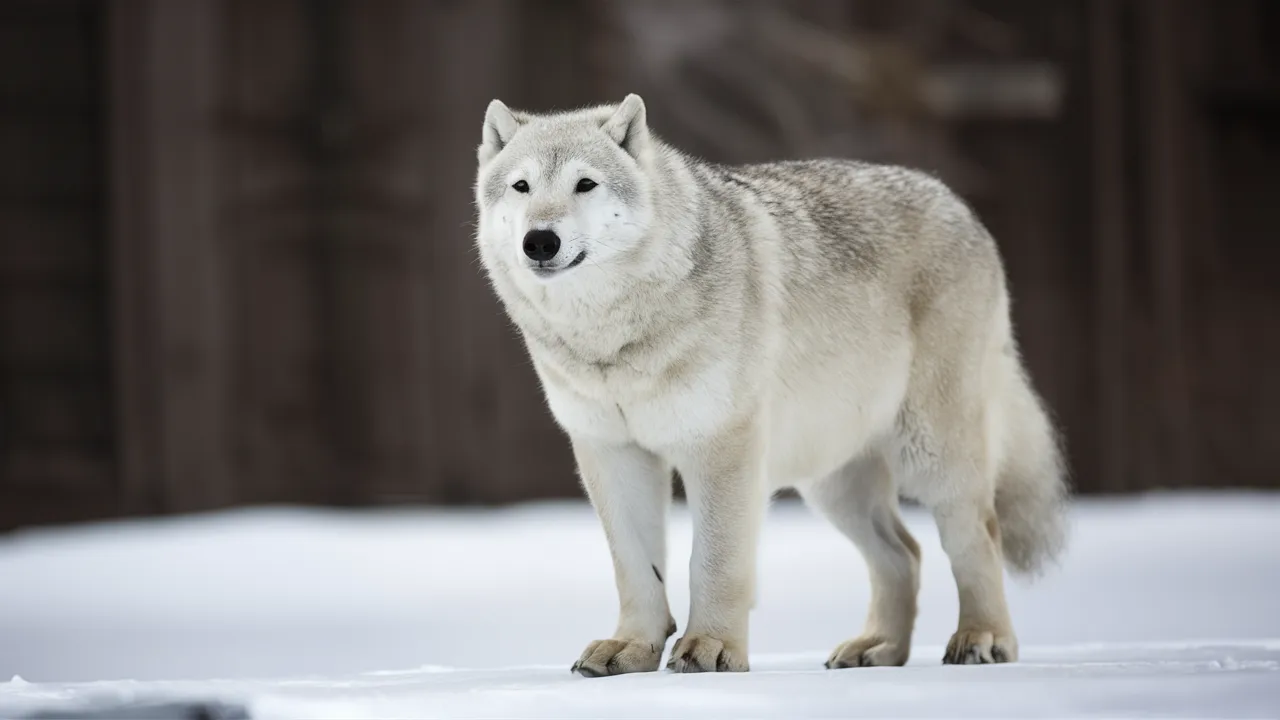
The term polarwolf evokes a powerful image of survival, strength, and mystery in one of the harshest environments on Earth. Often associated with the Arctic wolf, this majestic creature represents resilience, adaptability, and the untamed beauty of the frozen wilderness. We explore the concept of the polarwolf not only as a real animal but also as a symbolic figure in culture, mythology, and modern media. From its biological traits to its deeper meanings, the polarwolf captivates our imagination and continues to inspire fascination across the world.
As we dive into this comprehensive guide, we uncover the unique characteristics of the polarwolf, its habitat, behavior, and its role in storytelling and symbolism. This exploration provides a complete understanding of why the polarwolf remains such a compelling subject.
What is a Polarwolf?
The term polarwolf is commonly used to describe the Arctic wolf, a subspecies of the gray wolf that inhabits the Arctic regions of North America and Greenland. These wolves are uniquely adapted to survive in extreme cold, with thick white fur that provides both insulation and camouflage against the snowy landscape.
We understand that the polarwolf is not just defined by its physical traits but also by its ability to thrive in an environment where food is scarce and temperatures are unforgiving. This resilience makes it one of the most fascinating predators in the animal kingdom.
Physical Characteristics of the Polarwolf
The polarwolf possesses distinct features that enable survival in icy conditions. Its dense, double-layered coat protects against freezing temperatures, while its compact body minimizes heat loss. Unlike other wolf subspecies, the Arctic wolf often has smaller ears and a shorter muzzle, reducing exposure to the cold.
We also observe that the polarwolf’s white or pale fur serves as effective camouflage, allowing it to blend seamlessly into its environment while hunting prey. Its powerful limbs and keen senses make it an efficient and formidable predator.
Habitat and Distribution
The polarwolf primarily inhabits remote Arctic regions, including northern Canada and Greenland. These areas are characterized by extreme cold, vast ice fields, and limited vegetation, creating a challenging environment for survival.
We note that unlike many other wolves, the polarwolf experiences minimal human interference due to the isolation of its habitat. This has allowed it to maintain natural behaviors and social structures, making it one of the least threatened wolf subspecies.
Diet and Hunting Behavior
Survival in the Arctic requires adaptability, and the polarwolf demonstrates exceptional hunting skills. Its diet typically includes muskoxen, Arctic hares, caribou, and lemmings. Hunting in packs, polarwolves rely on teamwork and strategy to take down larger prey.
We find that food scarcity often forces these wolves to travel long distances in search of sustenance. Their ability to endure harsh conditions and remain persistent hunters is a testament to their resilience and intelligence.
Social Structure and Pack Dynamics
Like other wolves, the polarwolf lives in structured packs led by a dominant alpha pair. This social system ensures cooperation in hunting, protection, and raising offspring. Each member of the pack plays a specific role, contributing to the group’s survival.
We observe that strong social bonds are essential for enduring the challenges of Arctic life. Communication through vocalizations and body language helps maintain harmony and coordination within the pack.
Polarwolf Symbolism and Meaning
Beyond its biological existence, the polarwolf holds deep symbolic significance. It represents strength, endurance, loyalty, and independence. In many cultures, wolves are seen as spiritual guides, embodying intuition and freedom.
The polarwolf, in particular, symbolizes the ability to navigate through adversity and emerge stronger. Its association with the Arctic—a place of isolation and resilience—enhances its image as a powerful and mystical creature.
Polarwolf in Mythology and Culture
Wolves have long been featured in mythology and folklore, and the polarwolf is no exception. In Arctic and northern traditions, wolves are often depicted as guardians of nature or symbols of survival.
In modern culture, the polarwolf appears in literature, films, and digital media as a representation of wilderness and untamed power. Its striking appearance and symbolic depth make it a popular subject in storytelling and art.
Differences Between Polarwolf and Other Wolves
While the polarwolf is a subspecies of the gray wolf, it differs in several ways:
- Adaptation to extreme cold climates
- Lighter fur coloration for camouflage
- Smaller physical features to conserve heat
- Limited human interaction compared to other wolves
These differences highlight the unique evolutionary path of the polarwolf and its specialization for Arctic survival.
Conservation and Environmental Importance
The polarwolf plays a crucial role in maintaining the balance of Arctic ecosystems. As a top predator, it helps regulate prey populations and supports ecological stability.
We recognize that climate change poses a potential threat to the polarwolf’s habitat. Melting ice and shifting ecosystems could impact prey availability and living conditions. Protecting Arctic environments is essential for preserving this remarkable species.
Conclusion
As we explore the world of the polarwolf, we uncover a creature that embodies resilience, strength, and mystery. From its physical adaptations to its symbolic significance, the polarwolf stands as a testament to nature’s قدرة على التكيف and survival. Its presence in the Arctic wilderness reminds us of the delicate balance of ecosystems and the importance of conservation. By understanding and appreciating the polarwolf, we gain insight into one of the most extraordinary animals on Earth and the powerful meanings it represents.
Frequently Asked Questions (FAQ)
What is a polarwolf?
A polarwolf refers to the Arctic wolf, a subspecies of the gray wolf adapted to Arctic environments.
Where does the polarwolf live?
It lives in Arctic regions, including northern Canada and Greenland.
What does the polarwolf eat?
Its diet includes muskoxen, caribou, Arctic hares, and small mammals.
Is the polarwolf endangered?
Currently, it is not highly endangered due to its remote habitat, but environmental changes pose risks.
What does the polarwolf symbolize?
It symbolizes strength, resilience, loyalty, and survival in extreme conditions.
