
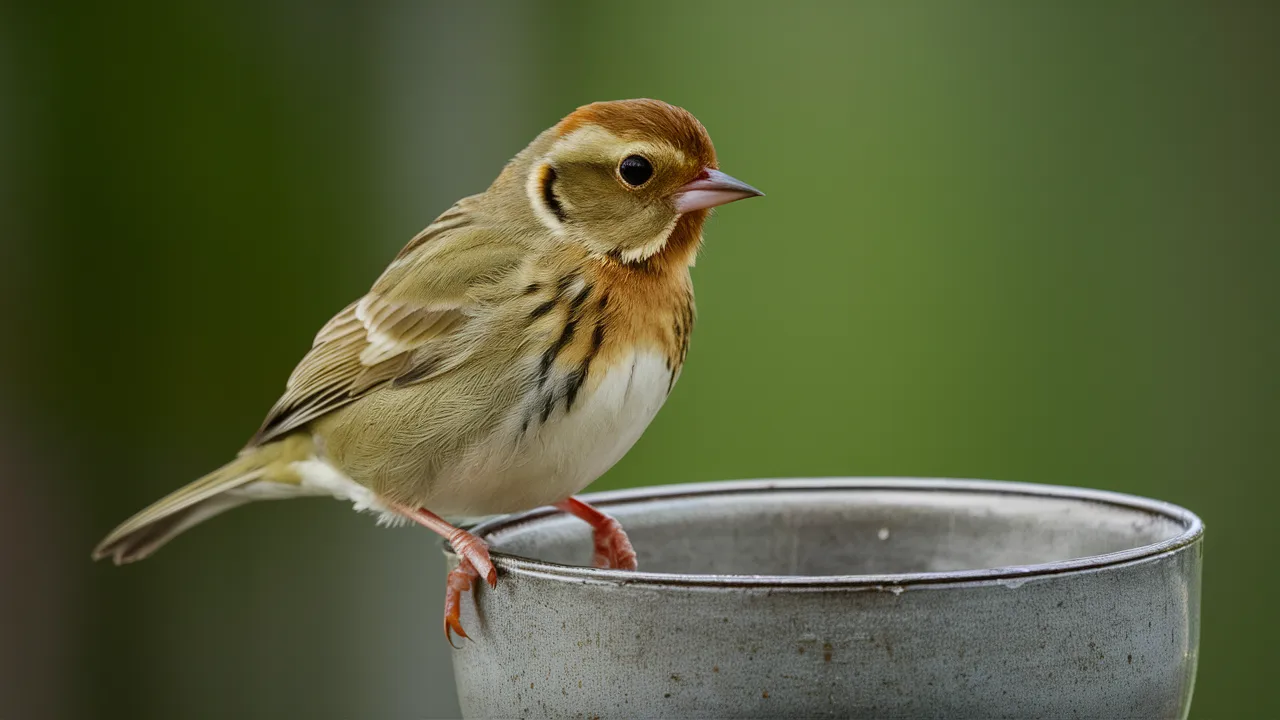
Creating a lively outdoor space filled with birdsong is one of the most rewarding experiences for nature lovers. Understanding how to attract birds is not just about placing a feeder in your yard; it requires a thoughtful approach that combines food, water, shelter, and a safe environment. We recognize that birds are drawn to habitats that meet their survival needs, and by replicating these conditions, we can transform any garden or backyard into a thriving bird sanctuary. This comprehensive guide explores proven strategies that ensure consistent bird visits while enhancing biodiversity and natural beauty.
Understanding Bird Behavior and Preferences
To successfully master how to attract birds, we must first understand what birds seek in their environment. Birds prioritize areas that provide reliable food sources, fresh water, nesting opportunities, and protection from predators. Different species have unique preferences; some favor seeds, while others are attracted to insects, fruits, or nectar.
By observing local bird species, we can tailor our approach to match their needs. This targeted strategy significantly increases the chances of attracting a diverse range of birds, turning a simple garden into a vibrant ecosystem.
Providing the Right Food to Attract Birds
Food is the most powerful factor in attracting birds. Installing high-quality bird feeders filled with appropriate food types can dramatically increase bird activity. Popular options include:
- Sunflower seeds, which attract a wide variety of birds
- Nyjer (thistle) seeds for finches
- Suet cakes for woodpeckers and insect-eating birds
- Fruit slices for species that prefer natural sugars
We recommend placing feeders in visible yet safe locations, ensuring birds feel secure while feeding. Regular cleaning and refilling are essential to maintain hygiene and consistent attraction.
Creating a Reliable Water Source
Water is equally important when learning how to attract birds naturally. Birds require water not only for drinking but also for bathing and maintaining their feathers. Installing a birdbath, small fountain, or shallow water dish can make your garden irresistible.
Moving water is particularly effective, as the sound attracts birds from a distance. Keeping the water clean and fresh ensures that birds return regularly, making your space a dependable resource.
Designing Bird-Friendly Shelter and Nesting Areas
Shelter provides birds with protection from harsh weather and predators. Planting dense shrubs, trees, and hedges creates natural hiding spots and nesting areas. Native plants are especially beneficial, as they support local ecosystems and attract insects that birds feed on.
We can also install birdhouses or nesting boxes tailored to specific species. Proper placement—away from direct sunlight and predators—ensures safety and encourages birds to settle in the area.
Choosing the Best Plants to Attract Birds
A well-planned garden filled with bird-attracting plants can significantly enhance bird activity. Plants that produce berries, seeds, and nectar provide natural food sources throughout the year.
Examples include:
- Berry-producing shrubs for seasonal feeding
- Flowering plants for nectar-loving birds
- Seed-bearing grasses for ground-feeding species
By incorporating a variety of plants, we create a sustainable environment that supports birds across different seasons.
Maintaining a Safe Environment for Birds
Safety is a critical factor in determining whether birds will stay in a particular area. To effectively implement how to attract birds to your garden, we must minimize risks such as predators and hazards.
Key safety measures include:
- Keeping cats indoors or supervised
- Avoiding harmful chemicals and pesticides
- Positioning feeders away from hiding spots for predators
- Using window decals to prevent bird collisions
A safe environment encourages birds to return repeatedly, building trust over time.
Seasonal Strategies to Attract Birds Year-Round
Bird activity changes with the seasons, and adapting our approach ensures consistent attraction. During winter, providing high-energy foods like suet and seeds helps birds survive colder temperatures. In spring and summer, focusing on nesting materials and insect-friendly plants supports breeding and feeding cycles.
Autumn is ideal for offering fruits and seeds, helping birds prepare for migration. By adjusting our strategies throughout the year, we maintain a steady presence of birds in our garden.
Using Bird Feeders Effectively
Proper feeder placement and maintenance play a significant role in attracting birds. Feeders should be placed at varying heights to accommodate different species. Regular cleaning prevents disease and ensures a healthy feeding environment.
We also recommend rotating food types to attract a wider variety of birds. Consistency in feeding schedules builds trust, encouraging birds to rely on your garden as a dependable food source.
Enhancing Your Garden for Bird Watching
Beyond attraction, creating a visually appealing space enhances the bird-watching experience. Adding perches, decorative elements, and natural landscaping makes it easier to observe birds while maintaining their comfort.
Patience is key, as birds may take time to discover and trust a new environment. With consistent effort, your garden will gradually become a lively hub of bird activity.
Conclusion
Mastering how to attract birds involves a harmonious blend of food, water, shelter, and safety. By understanding bird behavior and implementing strategic changes, we can transform any outdoor space into a thriving sanctuary. The rewards extend beyond aesthetics, offering a deeper connection to nature and a peaceful, vibrant environment filled with life. With dedication and thoughtful planning, attracting birds becomes a sustainable and fulfilling endeavor.
Frequently Asked Questions (FAQ)
1. What is the easiest way to attract birds quickly?
Providing fresh food and clean water is the fastest way to attract birds to your garden.
2. What food attracts the most birds?
Sunflower seeds and suet are among the most effective options for attracting a wide variety of birds.
3. How long does it take for birds to find a new feeder?
It can take a few days to a few weeks, depending on location and visibility.
4. Do birdbaths really attract birds?
Yes, clean and fresh water sources are highly attractive to birds for drinking and bathing.
5. Can I attract birds without a garden?
Yes, even balconies or small spaces can attract birds with feeders and water sources.
