
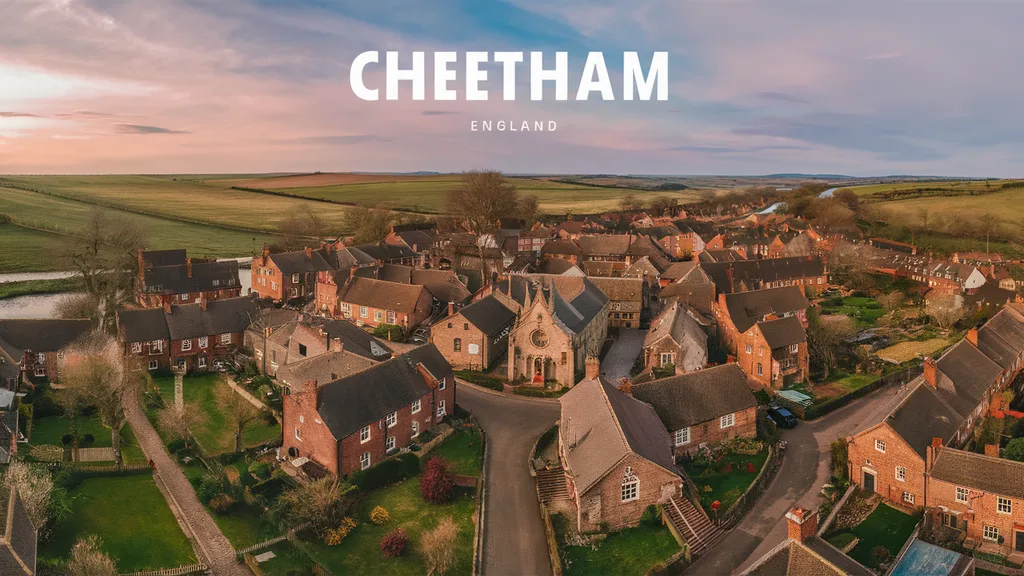
England is home to countless communities that have played important roles in shaping the nation’s history, culture, and identity. From bustling cities to historic neighborhoods, each location contributes a unique chapter to the broader story of British development. Among these communities, Cheetham England stands out as an area with a rich heritage, cultural diversity, and a fascinating historical background that continues to attract interest from historians, researchers, residents, and visitors alike.
Over the centuries, communities across England have evolved in response to economic growth, industrialization, migration, and social transformation. Cheetham is no exception. Its story reflects many of the broader themes that have shaped modern Britain, including urban development, cultural exchange, and community resilience. Understanding the significance of Cheetham provides valuable insight into how local neighborhoods contribute to national identity while maintaining their own distinct character.
Today, Cheetham is recognized not only for its historical importance but also for its vibrant multicultural atmosphere and ongoing role within contemporary England. By exploring its origins, landmarks, cultural traditions, and future prospects, we gain a deeper appreciation for the community’s enduring significance. This guide offers a comprehensive look at Cheetham England, highlighting the factors that make it a notable part of the country’s historical and cultural landscape.
The Historical Origins of Cheetham England
The history of Cheetham stretches back many centuries and reflects the broader evolution of English society. Like many communities across northern England, Cheetham developed gradually through agricultural activity, trade, and local settlement patterns that shaped the region’s early identity.
During the medieval period, small settlements often formed around productive farmland and important transportation routes. These communities served as centers of local economic activity while supporting surrounding rural populations. Over time, improvements in infrastructure and growing commercial opportunities encouraged expansion and increased connectivity with neighboring areas.
As England entered periods of economic and industrial transformation, communities such as Cheetham experienced significant changes. Population growth, urbanization, and commercial development contributed to the area’s evolution from a traditional settlement into a more dynamic and interconnected community.
The historical foundations established during these early centuries continue to influence the character and identity of Cheetham today.
Industrial Growth and Urban Development
The Industrial Revolution transformed countless communities throughout England, and Cheetham was among those affected by this period of dramatic change. The rise of manufacturing, trade, and transportation networks created new opportunities while also reshaping the physical and social landscape.
Industrial growth attracted workers seeking employment and improved economic prospects. As populations expanded, housing developments, commercial districts, and public infrastructure projects emerged to accommodate increasing demand.
This period of transformation helped establish many of the urban characteristics associated with modern English communities. Roads, public services, educational institutions, and local businesses contributed to a stronger sense of community while supporting economic growth.
The impact of industrialization remains visible in many aspects of the area’s architecture, layout, and historical identity.
Cultural Diversity and Community Identity
One of the defining features of Cheetham England is its cultural diversity. Over generations, people from various backgrounds have contributed to the area’s development, creating a rich and dynamic social environment.
Migration has played an important role in shaping many English communities. New residents bring traditions, languages, skills, and perspectives that enrich local culture while contributing to economic vitality.
This diversity has helped foster a unique community identity characterized by inclusion, adaptability, and cultural exchange. Local businesses, places of worship, community organizations, and cultural events often reflect the broad range of influences present within the area.
The result is a vibrant environment where historical traditions coexist with contemporary multicultural experiences.
The Importance of Local Heritage
Preserving heritage is essential for maintaining a connection between past and present generations. Historical buildings, public spaces, archives, and cultural traditions help communities remember their origins while educating future generations.
In Cheetham England, heritage preservation contributes to:
- Cultural awareness
- Historical education
- Community pride
- Tourism opportunities
- Architectural conservation
- Intergenerational understanding
These efforts ensure that important stories and landmarks remain accessible while supporting broader appreciation for local history.
Heritage serves as a reminder that communities are shaped by the contributions of countless individuals across many generations.
Architecture and Historical Landmarks
Architecture provides valuable insight into the evolution of communities over time. Buildings often reflect the economic conditions, cultural influences, and technological capabilities of the periods in which they were constructed.
Throughout Cheetham, historical structures and notable landmarks help tell the story of local development. Architectural styles may range from traditional designs associated with earlier centuries to structures influenced by industrial growth and urban expansion.
These landmarks contribute to the area’s character and provide opportunities for education, tourism, and cultural preservation. Visitors and residents alike often develop a stronger appreciation for local history through engagement with significant historical sites.
Education and Community Development
Education has long been a cornerstone of community progress. Schools, libraries, and educational institutions play vital roles in supporting personal development and social mobility.
In communities such as Cheetham, education contributes to:
Knowledge Development
Learning opportunities help individuals acquire skills and pursue personal goals.
Economic Growth
An educated population supports innovation and workforce development.
Social Cohesion
Educational institutions encourage interaction among diverse groups.
Community Engagement
Schools and community centers often serve as hubs for local activities and initiatives.
These contributions strengthen the overall resilience and vitality of the community.
Modern Cheetham and Contemporary Life
Today, Cheetham reflects the realities of modern England while maintaining connections to its historical roots. The community continues to evolve in response to changing economic conditions, technological advancements, and demographic trends.
Modern residents benefit from access to transportation networks, educational resources, commercial opportunities, and community services. At the same time, local traditions and historical landmarks help preserve a sense of continuity and identity.
The balance between progress and preservation remains one of the defining characteristics of successful communities. Cheetham demonstrates how historical heritage and contemporary development can coexist in ways that benefit both residents and visitors.
Tourism and Local Attractions
Tourism contributes to economic activity while promoting cultural awareness and historical appreciation. Visitors often seek destinations that offer unique stories, architectural interest, and authentic local experiences.
Potential attractions associated with communities like Cheetham include:
- Historical buildings
- Cultural centers
- Local markets
- Community events
- Educational institutions
- Heritage sites
- Public parks and recreational areas
These attractions help showcase the area’s identity while supporting local businesses and community initiatives.
The Future of Cheetham England
The future of Cheetham England will likely be shaped by ongoing efforts to balance growth, sustainability, and cultural preservation. Communities across the country face opportunities and challenges related to economic development, housing, infrastructure, and social inclusion.
Future priorities may include:
- Urban renewal projects
- Heritage conservation
- Educational investment
- Community engagement initiatives
- Sustainable development strategies
- Economic diversification
By building upon its historical strengths while embracing innovation, Cheetham can continue to thrive as an important part of England’s social and cultural landscape.
Conclusion
Cheetham England represents a compelling example of how local communities contribute to the broader story of a nation. Its rich history, cultural diversity, architectural heritage, and ongoing development illustrate the many factors that shape successful and resilient communities.
From its early origins and industrial growth to its modern multicultural identity, Cheetham has continually adapted while maintaining a strong connection to its historical roots. This balance between tradition and progress remains one of its greatest strengths. As future generations continue to build upon the foundations established by those who came before them, Cheetham England will remain an important and meaningful part of the country’s heritage and community life.
Frequently Asked Questions (FAQ)
What is Cheetham England known for?
Cheetham is known for its historical significance, cultural diversity, community identity, and contributions to local heritage.
Why is Cheetham important in English history?
Its development reflects broader themes of urban growth, industrialization, migration, and cultural evolution within England.
What role did industrialization play in Cheetham’s growth?
Industrialization encouraged population growth, economic development, and infrastructure expansion.
Why is cultural diversity significant in Cheetham?
Diversity enriches community life, encourages cultural exchange, and strengthens social resilience.
How does heritage preservation benefit the community?
It promotes education, tourism, cultural awareness, and community pride.
