
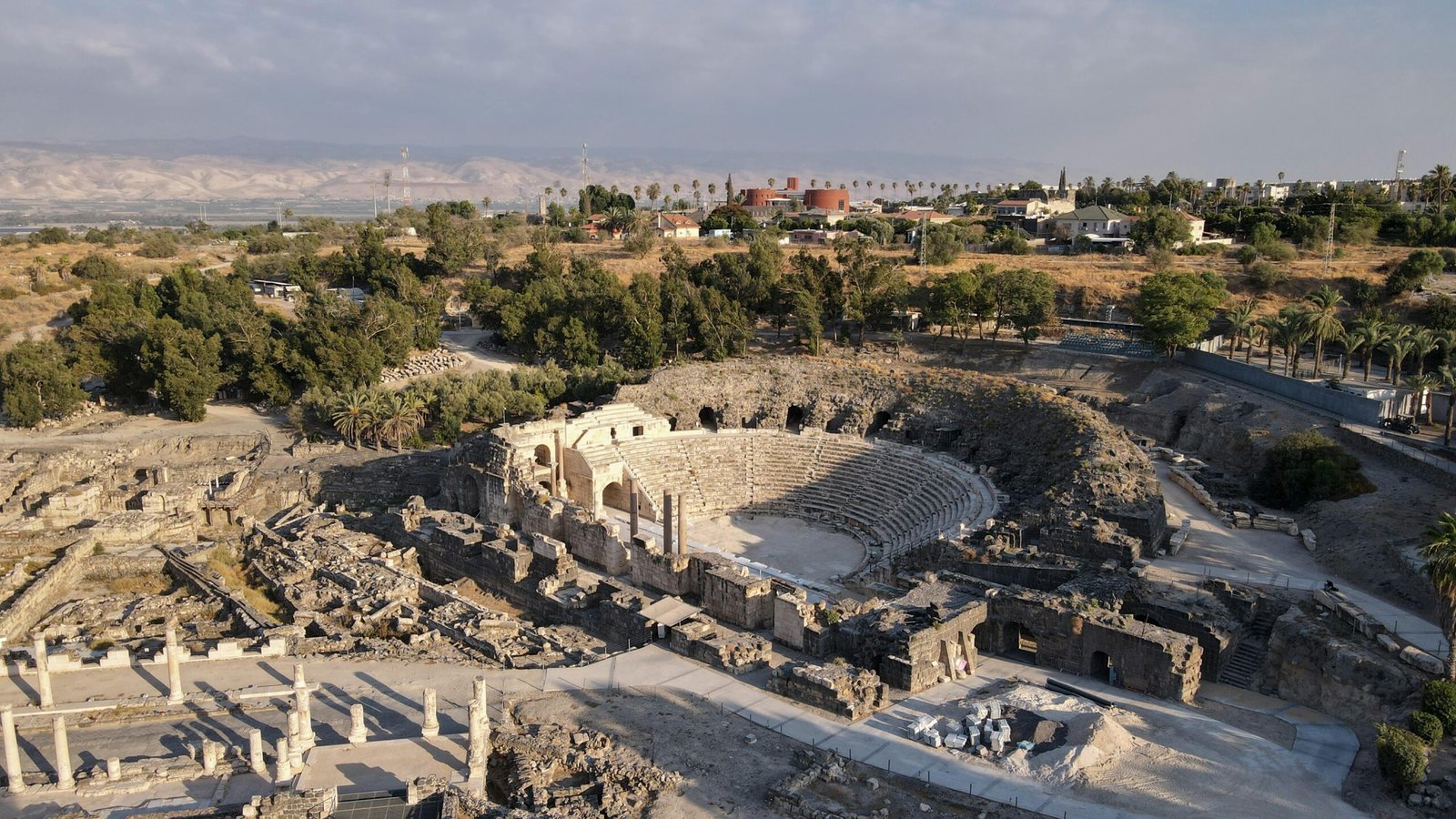
Beit Bart is a term that carries cultural depth, historical resonance, and modern relevance. We explore Beit Bart as a concept that bridges tradition and contemporary understanding, offering insight into its linguistic roots, symbolic meaning, and evolving applications. This comprehensive guide is designed to provide authoritative, detailed information that satisfies search intent, builds topical authority, and delivers genuine value. By examining Beit Bart from multiple perspectives, we present a complete resource that stands out for clarity, depth, and relevance.
Understanding the Meaning of Beit Bart
The term Beit Bart is composed of two distinct elements, each carrying significance. “Beit” traditionally refers to a house, place, or dwelling, symbolizing foundation, belonging, and continuity. “Bart” may represent a name, lineage, or defining identity, depending on contextual usage. Together, Beit Bart can be understood as a place associated with identity, heritage, or purpose.
This combined meaning gives Beit Bart a strong conceptual foundation. It suggests more than a physical location; it reflects connection, legacy, and structured identity, making it adaptable across cultural, social, and modern frameworks.
Historical and Cultural Context of Beit Bart
Historically, terms beginning with Beit have been used to denote important houses, centers, or places of gathering. Within this tradition, Beit Bart may symbolize a recognized household, institution, or focal point tied to a name or lineage. Such naming conventions often conveyed respect, authority, and permanence.
Culturally, Beit Bart aligns with values of community, continuity, and shared history. It reflects how spaces are not merely structures but carriers of memory and meaning. This historical grounding adds depth and credibility to the term, supporting its continued relevance.
Beit Bart as a Concept of Identity
One of the strongest interpretations of Beit Bart is as a symbol of identity. Identity-based concepts emphasize origin, belonging, and recognition. Beit Bart encapsulates these ideas by linking a place with a defining name, creating a sense of rooted presence.
This conceptual framing makes Beit Bart especially powerful in narratives related to heritage, cultural continuity, and personal or collective identity. It provides a stable reference point in an increasingly fluid modern world.
Modern Interpretations of Beit Bart
In modern usage, Beit Bart has expanded beyond traditional definitions. It is now associated with institutions, cultural centers, creative spaces, and branded identities. This evolution demonstrates the adaptability of the term while preserving its foundational meaning.
Modern interpretations emphasize:
-
Community engagement
-
Purpose-driven spaces
-
Cultural preservation
-
Innovative reinterpretation of tradition
These qualities allow Beit Bart to function effectively in both traditional and contemporary contexts.
Applications of Beit Bart in Contemporary Settings
Beit Bart in Cultural and Community Spaces
Beit Bart is often associated with spaces that foster learning, dialogue, and cultural exchange. These environments prioritize shared values and collective growth, reinforcing the concept of a meaningful “house” connected to identity.
Beit Bart in Education and Knowledge Centers
In educational contexts, Beit Bart represents a place of structured learning and intellectual continuity. It emphasizes respect for knowledge, mentorship, and the transmission of ideas across generations.
Beit Bart in Branding and Naming
As a name, Beit Bart carries authenticity and depth. It communicates trust, heritage, and purpose, making it suitable for organizations seeking a strong, values-driven identity.
Why Beit Bart Holds Lasting Relevance
The enduring relevance of Beit Bart lies in its balance between tradition and adaptability. While deeply rooted in historical meaning, it remains flexible enough to support modern interpretations. This duality ensures that Beit Bart continues to resonate across different audiences and applications.
Its relevance is reinforced by:
-
Cultural authenticity
-
Symbolic clarity
-
Emotional resonance
-
Cross-generational appeal
These factors contribute to its sustained importance.
Symbolism and Values Associated with Beit Bart
Beit Bart symbolizes more than a name or place. It embodies values such as:
-
Stability – A reliable foundation
-
Belonging – A shared sense of place
-
Continuity – Connection across time
-
Purpose – Intentional use of space and identity
These symbolic values enhance its conceptual strength and applicability.
Beit Bart in a Global Context
As cultural exchange increases globally, terms like Beit Bart gain new layers of meaning. While rooted in specific traditions, the concept translates well across cultures due to its universal themes of home, identity, and community.
This global adaptability allows Beit Bart to be understood and appreciated beyond its original context, supporting broader recognition and use.
Building Understanding and Authority Around Beit Bart
A thorough understanding of Beit Bart requires exploring its linguistic roots, cultural background, modern applications, and symbolic significance. By presenting this holistic view, we establish Beit Bart as a well-defined, meaningful concept rather than a vague term.
Clear explanations, structured sections, and detailed insights contribute to strong topical authority and reader trust.
Conclusion
Beit Bart represents a powerful fusion of place and identity, tradition and modern relevance. Its meaning extends beyond physical space to encompass heritage, community, and purpose. By examining its origins, symbolism, and contemporary applications, we recognize Beit Bart as a concept of lasting value. This comprehensive perspective ensures clarity, depth, and relevance, positioning Beit Bart as a subject worthy of continued exploration and understanding.
Frequently Asked Questions About Beit Bart
What does Beit Bart mean?
Beit Bart generally refers to a place or house associated with a specific identity, name, or lineage, symbolizing belonging and continuity.
Is Beit Bart a physical location or a concept?
It can be both. Beit Bart may describe an actual place or function as a symbolic or conceptual identity.
Why is Beit Bart culturally significant?
Its significance comes from its roots in tradition, its association with community and heritage, and its adaptability to modern contexts.
How is Beit Bart used today?
Today, Beit Bart is used in cultural centers, educational spaces, branding, and identity-driven initiatives.
Does Beit Bart have modern relevance?
Yes. Its themes of identity, purpose, and continuity make Beit Bart highly relevant in contemporary society.
