
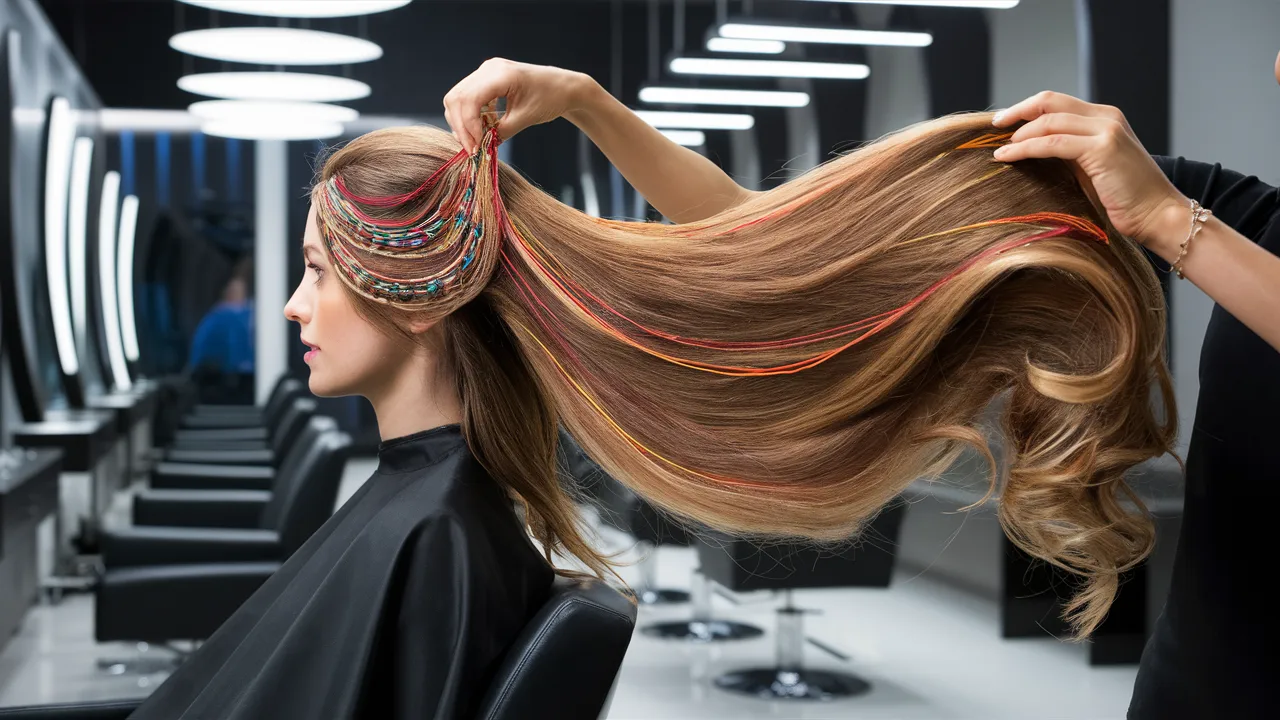
In the modern beauty industry, hairdressing styling plays a crucial role in defining personal identity, fashion sense, and professional appearance. We understand that hair is not just a physical feature but a powerful form of self-expression that reflects confidence, personality, and lifestyle. Over the years, the art of hairdressing has evolved significantly, combining traditional techniques with innovative tools and advanced styling products to create stunning, long-lasting hairstyles suitable for every occasion.
Today, professional stylists focus on precision cutting, creative coloring, and advanced styling techniques that enhance natural beauty while maintaining hair health. Whether it is a sleek corporate look, a glamorous event hairstyle, or a casual everyday style, modern hairdressing offers endless possibilities. In this comprehensive guide, we explore everything about hairdressing styling, including techniques, tools, trends, and professional tips that help achieve salon-quality results.
Understanding the Fundamentals of Hairdressing Styling
At its core, hairdressing styling is built upon a combination of science and creativity. We begin by understanding hair structure, texture, and condition, which directly influence how a style will hold and appear. Hair can be straight, wavy, curly, or coily, and each type requires specific handling techniques to achieve optimal results.
Professional stylists analyze face shapes, lifestyle needs, and hair density before selecting a suitable hairstyle. This ensures that the final look is not only visually appealing but also practical and easy to maintain. The foundation of successful styling lies in proper sectioning, controlled heat application, and precise product usage, all of which contribute to a polished and refined finish.
Essential Tools Used in Hairdressing Styling
We cannot achieve professional results without the right tools. Modern hairdressing styling relies heavily on advanced equipment designed to improve efficiency and precision. Some of the most essential tools include:
Hairdryers: Used for drying and shaping hair while adding volume and smoothness. Professional dryers come with heat control settings to prevent damage.
Straighteners and Curling Irons: These tools help create sleek straight looks or defined curls depending on styling requirements.
Hair Brushes and Combs: Round brushes, paddle brushes, and detangling combs are essential for controlling hair movement and achieving smooth finishes.
Sectioning Clips: These are used to divide hair into manageable parts for accurate styling.
Styling Shears: High-quality scissors are essential for precision cutting and shaping hairstyles.
Each tool plays a vital role in ensuring that the styling process is efficient, safe, and visually appealing.
Popular Hairdressing Styling Techniques
Modern salons use a wide range of techniques to achieve diverse looks. We focus on combining traditional methods with modern innovation to create unique hairstyles.
Blow Dry Styling Technique
This technique involves drying hair while shaping it using a round brush. It adds volume, smoothness, and shine, making it ideal for professional and casual looks.
Layered Cutting Technique
Layering is used to add movement and texture to hair. It is one of the most popular techniques in hairdressing styling because it enhances natural volume and reduces heaviness.
Heat Styling Technique
Heat tools like straighteners and curlers are used to reshape hair temporarily. Proper heat protection products are essential to prevent damage and maintain hair health.
Braiding and Updo Styling
These techniques are widely used for weddings, parties, and formal events. They offer elegant and creative styling options suitable for long hair.
Latest Hairdressing Styling Trends in 2026
The world of hairdressing styling continues to evolve with new trends emerging every year. In 2026, we observe a strong shift toward natural textures, healthy hair, and effortless styles.
One of the most popular trends is the “lived-in look”, which emphasizes natural waves and soft textures instead of overly structured styles. Another growing trend is short textured cuts, which offer a modern and bold appearance while remaining easy to maintain.
Color techniques such as balayage, ombre, and face-framing highlights are also dominating salons. These styles enhance depth and dimension without requiring frequent maintenance.
Additionally, sustainable hairdressing is gaining popularity, with more salons using eco-friendly products and chemical-free treatments to protect both hair and the environment.
Professional Tips for Perfect Hairdressing Styling
To achieve flawless results in hairdressing styling, we follow several professional guidelines:
We always start with clean, well-conditioned hair to ensure better product absorption and styling control. Heat protection is essential before using any thermal tools, as it prevents dryness and breakage.
We also recommend using high-quality styling products such as mousses, serums, and sprays to enhance hold and shine. Proper sectioning is another critical step that ensures even styling and precision.
Finally, we believe that regular hair maintenance, including trims and deep conditioning treatments, plays a key role in maintaining long-lasting hairstyle quality.
Hairdressing Styling for Different Hair Types
Every hair type requires a customized approach. For straight hair, volume-boosting techniques work best, while wavy hair benefits from texture-enhancing products. Curly hair requires moisture-rich treatments to define curls and reduce frizz, while coily hair needs deep hydration and protective styling methods.
By understanding these differences, we can create personalized styles that enhance natural beauty and improve overall hair health.
Importance of Hairdressing Styling in Personal Grooming
Hair plays a significant role in personal grooming and first impressions. A well-styled appearance boosts confidence and enhances professional presence. In many industries, grooming standards include proper hairdressing styling as an essential requirement.
We recognize that a great hairstyle not only improves appearance but also positively influences self-esteem and social perception. This is why investing time and care into hair styling is essential for both personal and professional life.
Future of Hairdressing Styling Industry
The future of hairdressing styling is driven by innovation, technology, and sustainability. Advanced tools with AI-based temperature control, personalized hair analysis systems, and eco-friendly products are shaping the next generation of hairstyling.
We expect to see more customization, where hairstyles are tailored using digital consultations and virtual simulations before actual styling. This will allow clients to preview results and make better decisions.
Conclusion
Hairdressing styling is an evolving art that combines creativity, science, and technical expertise. We have explored essential tools, techniques, trends, and professional insights that define modern hairstyling. By understanding hair types, using the right products, and following professional methods, anyone can achieve salon-quality results. As the industry continues to evolve, innovation and personalization will remain at the heart of future hairdressing styling techniques.
Frequently Asked Questions (FAQ)
What is hairdressing styling?
Hairdressing styling refers to the art and technique of shaping, cutting, and arranging hair to create desired looks using professional tools and products.
Which products are best for hairdressing styling?
The best products include heat protectants, styling mousse, hair serums, finishing sprays, and nourishing conditioners.
How often should hair be styled professionally?
It depends on hair type and lifestyle, but generally every 4–6 weeks is recommended for maintaining healthy and stylish hair.
Can hairdressing styling damage hair?
Excessive heat and chemical use can cause damage, but proper care, protection products, and professional techniques minimize risks.
What is the most popular hairdressing trend today?
Natural, textured hairstyles and balayage coloring techniques are among the most popular trends in modern hairdressing styling.
