
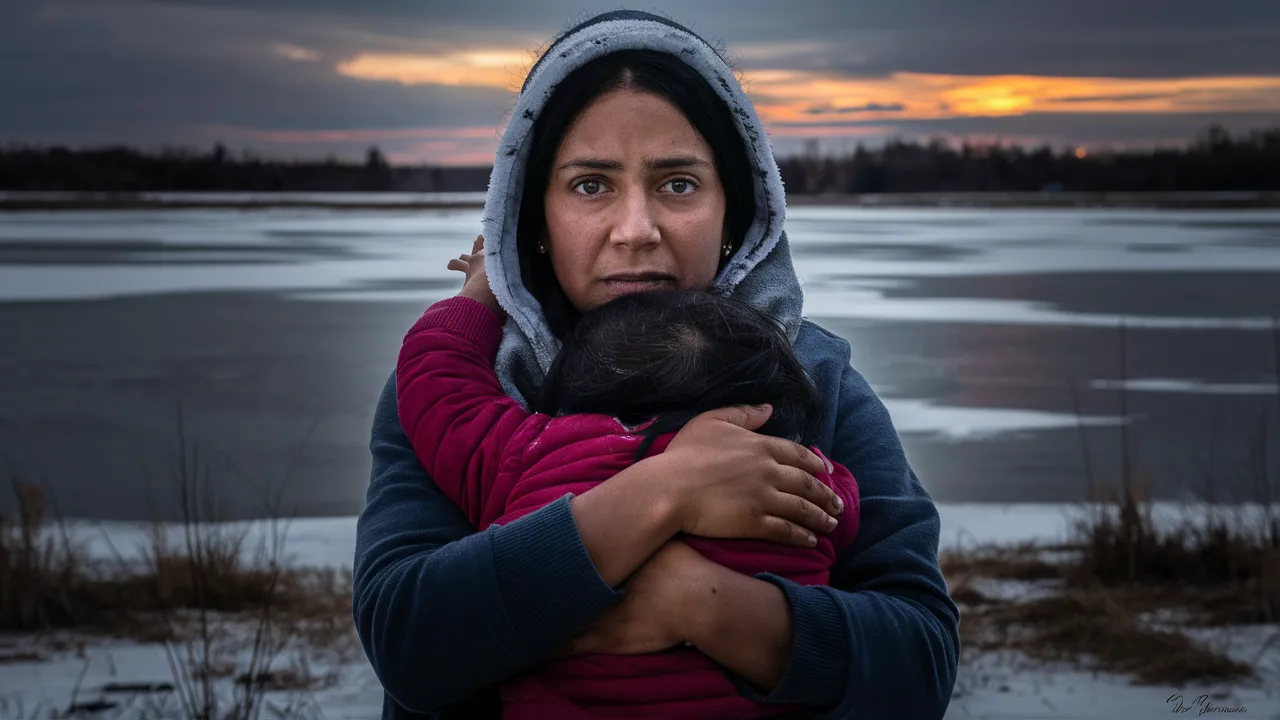
The phrase “mother deported ICE Patricia Balbuena Soto” reflects a deeply emotional and socially significant issue that continues to shape immigration debates across the United States. Stories involving deported parents—particularly mothers—resonate strongly because they highlight the human consequences of immigration enforcement policies. Families can be separated overnight, children may face uncertainty, and communities often struggle to understand how and why such decisions occur.
When cases like that of Patricia Balbuena Soto gain attention, they raise complex questions about immigration law, due process, humanitarian considerations, and the role of U.S. Immigration and Customs Enforcement (ICE) in enforcing federal policy. In this comprehensive article, we explore the legal framework behind deportation, the challenges faced by families, the policy debates surrounding enforcement, and the broader societal implications. This guide aims to provide clarity, context, and insight into how immigration enforcement affects individuals and communities.
Understanding ICE and Immigration Enforcement
To fully understand a deportation case, it is important to examine the role of U.S. Immigration and Customs Enforcement (ICE), the federal agency responsible for enforcing immigration laws within the United States. ICE operates under the Department of Homeland Security and is tasked with identifying, detaining, and removing individuals who are found to be in violation of immigration regulations.
Deportation, formally known as removal, typically follows a legal process that includes arrest, detention, immigration court proceedings, and potential appeals. While procedures vary depending on the individual’s immigration status, prior legal history, and eligibility for relief, the process is governed by federal statutes and administrative regulations.
When a mother or parent is deported, the consequences extend beyond the individual. Children—particularly U.S.-born citizens—may face emotional, financial, and social disruptions. Communities often respond with advocacy efforts, legal assistance campaigns, and policy discussions aimed at reform.
The Human Impact of Deporting a Parent
The deportation of a mother is more than a legal action; it is a life-altering event for families. Children may experience:
-
Emotional distress and anxiety
-
Educational disruption
-
Financial instability
-
Housing insecurity
Research has shown that family separation due to immigration enforcement can lead to long-term psychological challenges for children. The sudden absence of a primary caregiver affects stability and development, particularly for younger children who rely heavily on parental presence.
For communities, such cases often spark dialogue about balancing law enforcement with humanitarian concerns. Support networks, religious organizations, and advocacy groups frequently step in to provide assistance to affected families.
Legal Process Behind Deportation
Understanding the legal process helps clarify how deportation decisions occur. The typical stages include:
1. Apprehension and Detention
An individual may be detained during a routine check, workplace enforcement action, or following a criminal charge. ICE officers determine eligibility for detention based on immigration status and enforcement priorities.
2. Notice to Appear (NTA)
The individual receives a Notice to Appear, which outlines the alleged immigration violations and initiates removal proceedings in immigration court.
3. Immigration Court Hearing
An immigration judge evaluates evidence, hears testimony, and determines whether the individual qualifies for relief such as asylum, cancellation of removal, or adjustment of status.
4. Appeals Process
If removal is ordered, the individual may file an appeal with the Board of Immigration Appeals. In certain circumstances, federal court review may also be available.
Each step involves procedural requirements and legal standards designed to ensure due process, though critics argue that access to legal representation significantly affects outcomes.
Policy Debate Surrounding Deportation Cases
Cases involving deported parents often intensify political and social debate. Supporters of strict enforcement emphasize the importance of upholding immigration laws and maintaining border integrity. Advocates for reform highlight humanitarian considerations, especially when children are involved.
Policy discussions frequently focus on:
-
Prosecutorial discretion
-
Deferred action programs
-
Humanitarian relief mechanisms
-
Pathways to legal residency
-
Family unity protections
These debates influence legislative proposals and executive policies, shaping the future of immigration enforcement in the United States.
Community and Advocacy Response
When a deportation case gains public attention, community response can be significant. Advocacy organizations may organize petitions, fundraising campaigns, and legal aid initiatives. Media coverage often amplifies public awareness, prompting calls for policy review or compassionate relief.
Legal aid organizations play a crucial role in providing representation and guiding families through complex immigration procedures. Access to qualified immigration attorneys can substantially influence the outcome of cases.
Broader Social and Economic Implications
The deportation of working parents also has economic implications. Families may lose primary income earners, leading to financial instability. Employers may face labor shortages, and local economies can experience indirect impacts.
Additionally, public trust in institutions may be affected depending on how enforcement actions are perceived. Transparent communication and adherence to legal standards are essential to maintaining confidence in the system.
Balancing Enforcement and Humanitarian Concerns
A central tension in immigration policy lies in balancing enforcement with compassion. While federal agencies are responsible for implementing laws passed by Congress, public opinion often influences how those laws are interpreted and enforced.
Ongoing discussions examine whether alternative measures—such as community supervision programs, work authorization pathways, or expanded relief eligibility—could mitigate family separation while maintaining regulatory compliance.
Conclusion
The search term “mother deported ICE Patricia Balbuena Soto” reflects the profound emotional and legal complexities surrounding immigration enforcement. Deportation cases involving parents highlight the intersection of law, policy, and human experience. Understanding the legal framework, the impact on families, and the broader policy debate provides essential context for evaluating such cases thoughtfully and responsibly.
Immigration enforcement remains one of the most debated issues in modern governance. As discussions continue, balancing lawful procedure with humanitarian awareness remains central to shaping a system that addresses both national policy objectives and the well-being of affected families.
Frequently Asked Questions (FAQ)
1. What does it mean when someone is deported by ICE?
Deportation, or removal, is the legal process of expelling a non-citizen from the United States for violating immigration laws.
2. Can a deported parent appeal the decision?
Yes, individuals may appeal removal orders through immigration courts and, in some cases, federal courts.
3. What happens to children when a parent is deported?
Children may remain with relatives, enter foster care, or relocate depending on family arrangements and legal circumstances.
4. Are there legal protections for parents facing deportation?
Certain relief options exist, including asylum, cancellation of removal, and humanitarian protections, depending on eligibility.
5. How can families seek assistance during deportation proceedings?
Families can consult immigration attorneys, nonprofit legal aid organizations, and community advocacy groups for guidance and representation.
