
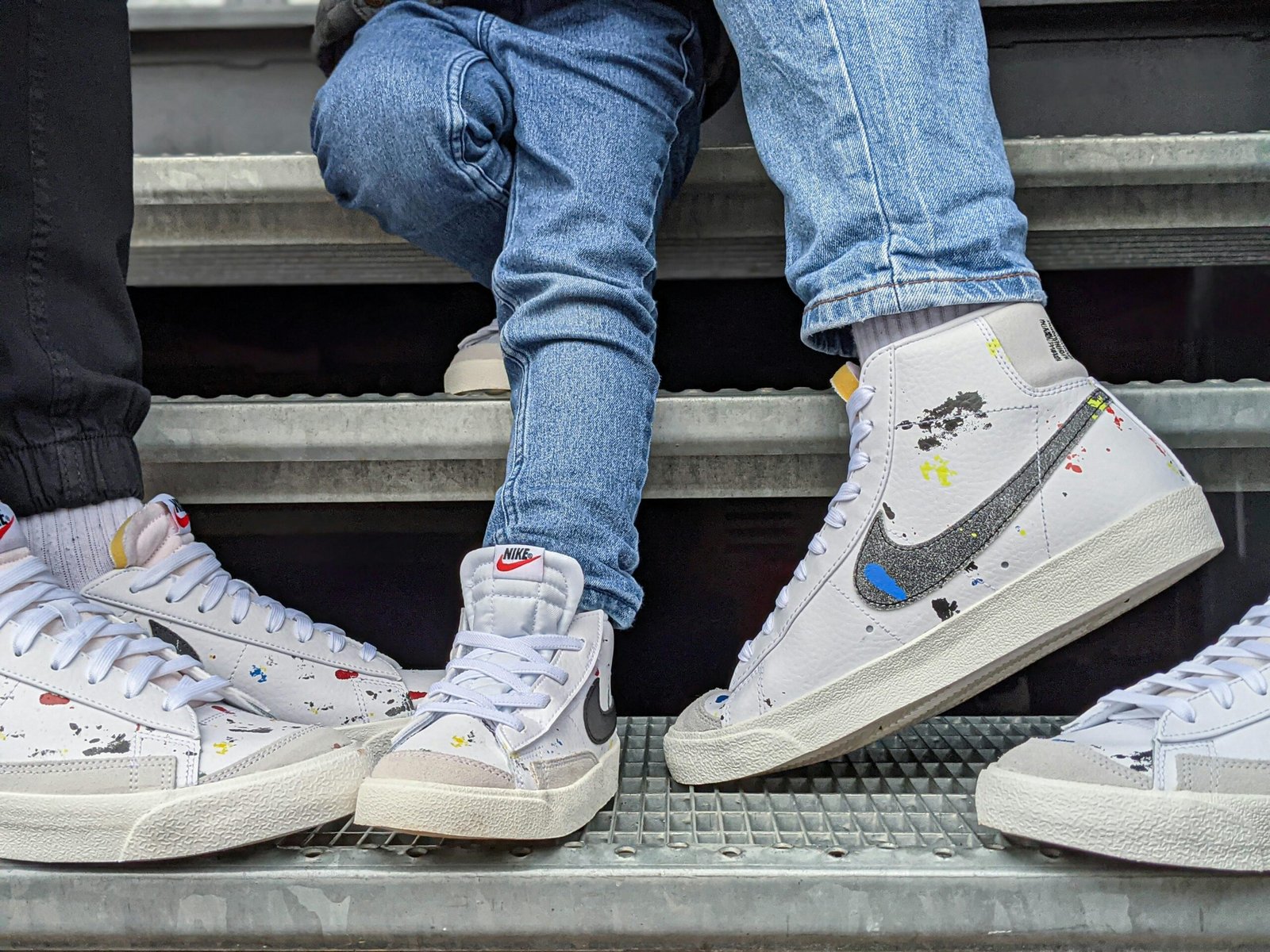
The phrase bestshoesevershop competitor match reflects a growing interest among online retailers, marketers, and e-commerce entrepreneurs who want to understand how to compete effectively in the digital footwear marketplace. As the online retail landscape expands rapidly, businesses must analyze competitor strategies, optimize product listings, and deliver exceptional customer experiences in order to stand out. When discussing a competitor match for a brand like BestShoesEverShop, the focus often centers on identifying competing retailers, evaluating pricing strategies, and understanding how similar brands attract customers.
In today’s digital marketplace, footwear is one of the most competitive product categories. From luxury sneakers to affordable everyday shoes, online stores must continuously refine their strategies to capture customer attention and build brand loyalty. A successful competitor match involves more than comparing prices; it includes evaluating product quality, marketing techniques, customer engagement, and search engine optimization.
This comprehensive guide explores what bestshoesevershop competitor match means, how online stores analyze competition, the most effective strategies to outperform rivals, and how footwear retailers can build a strong presence in the highly competitive online shoe industry.
Understanding the Online Shoe Retail Market
The global footwear industry has experienced significant transformation due to the growth of online shopping. Consumers now browse and purchase shoes through digital stores rather than traditional retail outlets. As a result, online platforms such as Amazon, Nike, and Adidas have become powerful competitors in the digital marketplace.
Online shoe retailers must compete with both global brands and niche boutiques. This competition forces businesses to refine their strategies continuously in order to remain relevant and profitable. When analyzing a bestshoesevershop competitor match, businesses evaluate several important factors that determine success in the marketplace.
These factors include product selection, pricing models, marketing channels, website performance, and customer satisfaction. Retailers that master these areas gain a competitive advantage and build long-term customer relationships.
What Is a Competitor Match in Ecommerce?
A competitor match refers to the process of comparing one business with its rivals in order to understand how they differ in pricing, product quality, marketing tactics, and customer engagement. In the context of BestShoesEverShop, competitor matching involves identifying stores that sell similar products and analyzing how they attract and retain customers.
Businesses typically perform competitor matching to answer several important questions:
-
What products do competitors offer that attract customers?
-
How do competitor prices compare with our own pricing?
-
Which marketing strategies bring competitors the most traffic?
-
What customer experience features make competitors successful?
By answering these questions, retailers can identify opportunities to improve their own strategies and strengthen their market position.
Key Elements of a BestShoesEverShop Competitor Match
Product Selection and Variety
One of the most important factors in online shoe retail is product selection. Customers expect a wide variety of styles, including sneakers, athletic shoes, casual footwear, and formal options.
Successful stores analyze competitors to understand which products are trending and which categories attract the highest demand. By studying competitor inventories, businesses can determine whether to expand their product lines or specialize in a specific niche.
A carefully curated catalog allows online stores to provide customers with options that match different tastes, budgets, and lifestyles.
Pricing Strategy
Pricing is a major factor that influences customer purchasing decisions. Many consumers compare prices across multiple websites before making a purchase.
A competitor match helps businesses evaluate whether their pricing is competitive compared with other retailers selling similar footwear products. Some stores adopt aggressive pricing strategies to attract budget-conscious shoppers, while others focus on premium branding and high-quality materials.
The key is to balance affordability with profitability while ensuring customers perceive strong value in the products offered.
Search Engine Optimization and Online Visibility
Online shoe stores rely heavily on search engines to attract customers. Effective search engine optimization (SEO) ensures that product pages appear prominently in search results.
Competitor analysis often includes examining which keywords rival stores rank for and how they structure their content. Retailers that optimize product descriptions, category pages, and blog content can capture valuable organic traffic.
Strong SEO strategies also include optimizing images, improving site speed, and ensuring mobile-friendly design.
Customer Experience and Website Design
Customer experience is another crucial element of competitor matching. Online shoppers expect fast-loading websites, intuitive navigation, and secure checkout systems.
Retailers analyze competitor websites to understand how they structure product pages, display reviews, and guide customers through the purchasing process.
Features that improve customer experience include:
-
High-quality product images
-
Detailed size guides
-
Easy return policies
-
Responsive customer support
Providing a smooth and enjoyable shopping experience encourages repeat purchases and strengthens brand reputation.
Marketing Strategies Used by Successful Shoe Retailers
Online footwear retailers often use multiple marketing channels to promote their products and reach new audiences.
Social Media Marketing
Platforms such as Instagram, TikTok, and Facebook allow shoe brands to showcase new styles and engage with customers through visual content.
Influencer Collaborations
Partnering with influencers helps brands reach targeted audiences who trust recommendations from content creators.
Email Marketing
Email campaigns allow retailers to notify subscribers about new releases, promotions, and seasonal sales.
Content Marketing
Blog posts and guides about footwear trends, styling tips, and product comparisons help attract search traffic and build authority.
Combining these strategies enables businesses to expand their reach and compete effectively in the crowded online marketplace.
How to Outperform Competitors in the Online Shoe Market
Retailers seeking to outperform competitors must focus on innovation and customer satisfaction. Several strategies can help businesses gain a competitive edge.
Offer Unique Products
Selling exclusive or hard-to-find footwear designs can differentiate a store from competitors.
Focus on Branding
A strong brand identity builds trust and encourages customer loyalty.
Improve Customer Support
Fast responses and helpful assistance enhance the shopping experience.
Leverage Data Analytics
Analyzing customer behavior helps businesses understand purchasing patterns and optimize marketing campaigns.
Retailers that continuously adapt their strategies are more likely to succeed in the dynamic world of ecommerce.
Conclusion
The concept of bestshoesevershop competitor match highlights the importance of understanding the competitive landscape in online footwear retail. By analyzing competitors’ pricing, product offerings, marketing strategies, and customer experiences, businesses can identify opportunities for improvement and growth.
Success in the online shoe market requires a combination of strategic planning, strong branding, and a commitment to delivering exceptional value to customers. Retailers that invest in competitor analysis and continuous innovation position themselves to thrive in an increasingly competitive ecommerce environment.
As digital shopping continues to expand worldwide, the ability to analyze competitors and adapt strategies will remain essential for online shoe stores seeking long-term success.
Frequently Asked Questions (FAQ)
What does BestShoesEverShop competitor match mean?
It refers to analyzing competitors that sell similar footwear products and comparing pricing, marketing strategies, and product offerings.
Why is competitor analysis important for online shoe stores?
Competitor analysis helps retailers identify market trends, improve pricing strategies, and understand customer expectations.
How do online shoe retailers attract customers?
Retailers use SEO, social media marketing, influencer partnerships, and content marketing to increase visibility and drive traffic.
What factors influence success in the footwear ecommerce market?
Important factors include product variety, competitive pricing, strong branding, and excellent customer experience.
How can a shoe store outperform competitors online?
Stores can succeed by offering unique products, optimizing their websites for search engines, providing exceptional customer service, and implementing effective marketing strategies.
