
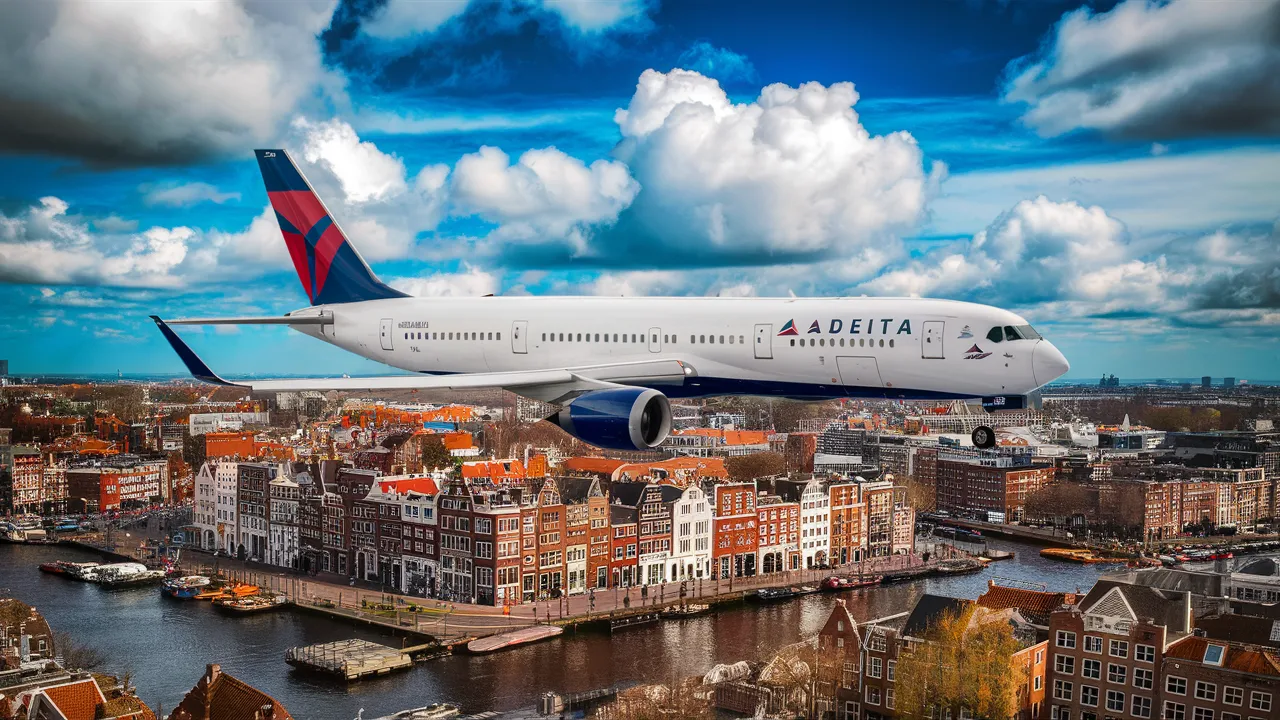
Air travel can sometimes be unpredictable, with diversions and unscheduled stops creating confusion and curiosity among passengers. One such incident that has attracted attention is Delta Airlines flight DL139, originally scheduled from Venice, Italy, to Atlanta, USA, which experienced an unexpected diversion to Amsterdam, Netherlands. While flight diversions are relatively common in aviation due to weather, technical issues, or operational requirements, passengers and travel enthusiasts often seek detailed explanations and updates regarding these events.
Understanding the factors behind a diversion, how airlines handle such situations, and what passengers can expect is essential for managing travel expectations. This article provides a comprehensive look at Delta DL139’s Venice to Atlanta diversion via Amsterdam, including the reasons behind such rerouting, airline protocols, passenger rights, and expert insights into international flight operations. Whether you are a frequent traveler or an aviation enthusiast, this guide explains the incident thoroughly while offering advice for navigating similar situations in the future.
Delta DL139: Venice to Atlanta Overview
Delta DL139 Venice to Atlanta Diversion Amsterdam is a long-haul international flight operated by Delta Airlines, connecting Venice Marco Polo Airport (VCE) with Hartsfield-Jackson Atlanta International Airport (ATL). The flight is commonly served by wide-body aircraft equipped for transatlantic travel, offering multiple classes and in-flight services tailored for comfort on extended routes.
The flight’s route usually traverses parts of Central Europe, the North Atlantic, and Eastern North America, often optimized for fuel efficiency, weather conditions, and air traffic control regulations. However, deviations such as diversions can occur due to factors outside the airline’s control, including adverse weather, technical inspections, or operational constraints.
Reasons Behind Flight Diversions
A flight diversion occurs when an aircraft lands at an alternate airport instead of its originally scheduled destination. Common reasons include:
1. Weather Conditions
Severe weather at the destination airport, such as storms, fog, or wind restrictions, can make landing unsafe, prompting diversion to a nearby airport, in this case, Amsterdam Schiphol (AMS).
2. Technical or Mechanical Issues
Aircraft may require unscheduled maintenance or safety checks, necessitating a landing at the nearest suitable airport equipped to handle specific inspections.
3. Medical Emergencies
In-flight medical emergencies often force pilots to divert to the nearest airport capable of providing prompt medical care for passengers.
4. Air Traffic Control Restrictions
Operational decisions by air traffic control due to congestion, restricted airspace, or security concerns can sometimes lead to diversions.
5. Operational Logistics
Fuel requirements, crew duty limits, or unforeseen operational challenges may prompt a temporary stop or rerouting to a different airport.
For Delta DL139, the diversion to Amsterdam likely resulted from a combination of safety protocols and operational efficiency, ensuring passenger well-being while minimizing disruption.
What Happens During a Diversion
When a flight is diverted, airlines follow strict protocols:
-
Communication with Passengers: Pilots and cabin crew inform passengers promptly about the reason for diversion, estimated landing time, and next steps.
-
Alternate Airport Landing: The aircraft lands at a designated alternate airport, chosen for safety and operational capabilities.
-
Passenger Support: Ground staff provide assistance, including meal vouchers, hotel accommodations (if necessary), and rebooking services.
-
Rescheduling: Airlines coordinate onward flights to the original destination, in this case, Atlanta, ensuring minimal delay.
-
Regulatory Compliance: Diversions are documented for aviation authorities, ensuring safety and operational standards are met.
These steps prioritize passenger safety, comfort, and regulatory compliance while maintaining efficient travel operations.
Passenger Rights During a Diversion
Passengers impacted by flight diversions have certain rights depending on the airline’s policies and international regulations, including:
-
Assistance and Accommodation: Airlines may provide food, refreshments, and hotel accommodations for overnight delays.
-
Flight Rebooking: Passengers are typically rebooked on the next available flight to their original destination.
-
Compensation Claims: In some cases, under EU regulation EC 261/2004, passengers may be eligible for compensation if the diversion caused significant delay and the airline is responsible.
-
Medical and Special Assistance: Airlines must accommodate passengers requiring medical or accessibility support.
Passengers are encouraged to retain boarding passes, receipts, and official airline communications to support potential claims.
Impact on Travelers
Diversions, while occasionally inconvenient, are designed to maximize safety and operational efficiency. For passengers:
-
Delays: Travel time may increase, but airlines strive to minimize disruptions.
-
Stress and Uncertainty: Diversions can cause confusion, so clear communication from airline staff is critical.
-
Travel Connections: Passengers with connecting flights may need rebooking assistance.
-
Safety Assurance: Diversions demonstrate the airline’s commitment to safety over strict adherence to schedules.
Understanding the reasons and procedures behind diversions can help travelers manage expectations and reduce anxiety during the process.
Conclusion
The diversion of Delta DL139 Venice to Atlanta Diversion Amsterdam highlights the complexities and precautions involved in international air travel. While unexpected, such diversions are a standard part of airline operations, emphasizing passenger safety, regulatory compliance, and operational efficiency. Travelers should view diversions as a proactive safety measure rather than a failure in service.
For passengers, awareness of airline protocols, rights, and support services can transform a potentially stressful situation into a manageable experience. Whether due to weather, technical issues, or operational logistics, the diversion underscores the importance of communication and preparation in modern air travel.
Frequently Asked Questions (FAQ)
Why was Delta DL139 diverted to Amsterdam?
Diversions are typically caused by weather conditions, technical issues, or operational constraints. In this case, Amsterdam served as a safe alternate airport for the aircraft.
What happens to passengers during a diversion?
Airlines provide updates, accommodations, meals, and rebooking services to ensure passenger safety and comfort during the unexpected stop.
Will I be compensated for a flight diversion?
Compensation depends on the airline and jurisdiction. Under EU regulations, passengers may be eligible if delays exceed specific thresholds and are within the airline’s responsibility.
How does a diversion affect connecting flights?
Airlines coordinate rebooking for passengers with connecting flights, though delays may occur. It is advised to contact airline staff promptly.
Are diversions common for long-haul international flights?
Yes, diversions occur occasionally due to safety considerations, technical inspections, or operational challenges, and are a standard part of aviation procedures.
