
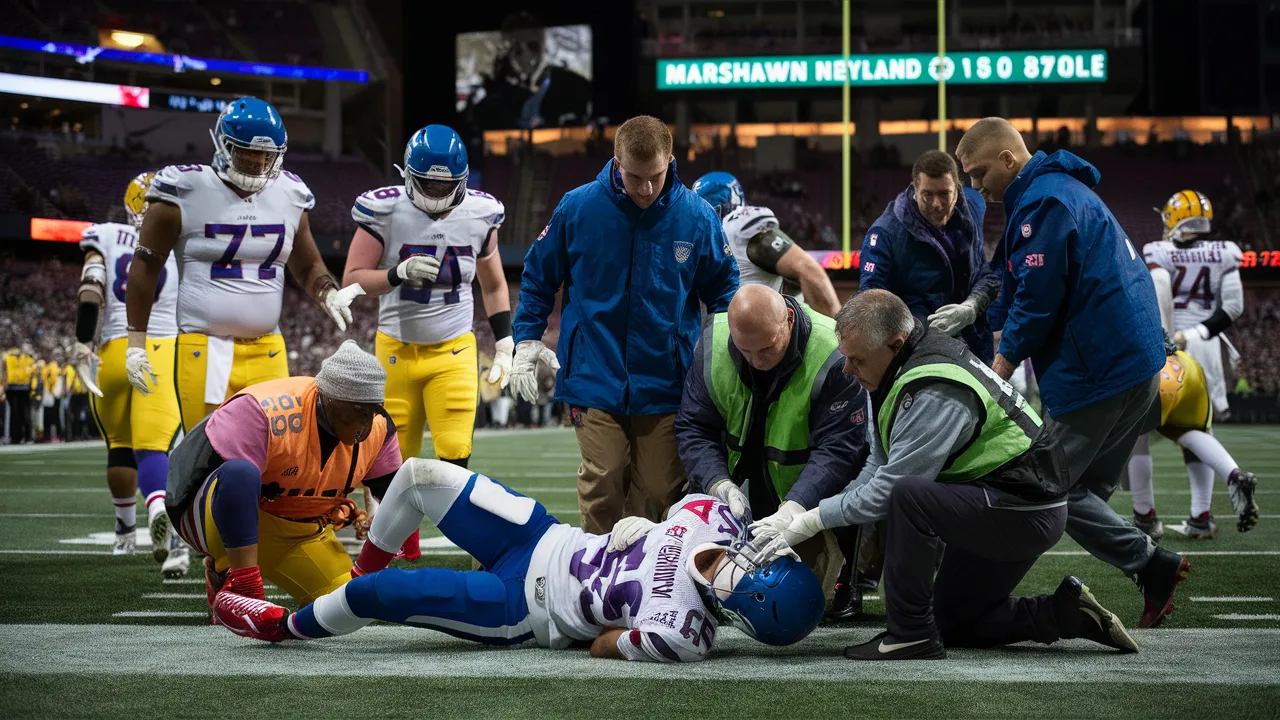
The search query “how did Marshawn Neyland die” reflects a natural human instinct to seek clarity when news or rumors begin circulating online. In today’s digital age, information spreads rapidly across social media platforms, blogs, and search engines, often before official confirmation is available. As a result, users frequently turn to Google in search of verified facts, timelines, and reliable sources that can provide accurate details. However, when it comes to individuals who are not widely recognized public figures, confirmed information may be limited or entirely unavailable in public records.
Understanding how online narratives develop is essential. Many searches related to deaths begin with a viral post, a misunderstood message, or even a mistaken identity. Before drawing conclusions, it is important to examine whether there are verified reports from credible news organizations, official statements, or public records that confirm the details being sought.
Is There Verified Information About How Did Marshawn Neyland Die?
At the time of reviewing publicly accessible sources, there is no widely confirmed or authoritative public record detailing the cause of death for an individual named Marshawn Neyland in major news databases. When a person is not a nationally recognized public figure, coverage may be limited to local communities, private networks, or family announcements. This means that large media outlets may not report on such matters, especially if the family chooses privacy.
Search engine queries can sometimes amplify speculation without factual basis. A trending keyword does not necessarily indicate verified news. Instead, it often reflects increased curiosity triggered by a social media post or word-of-mouth discussion. In cases like this, it becomes crucial to avoid spreading unconfirmed claims.
How Online Rumors Begin and Spread How Did Marshawn Neyland Die
The modern information landscape is shaped by algorithms designed to highlight trending content. When someone posts a message suggesting a tragedy or loss, even without context, it can lead to a surge in searches. The phrase “how did Marshawn Neyland die” may have gained traction through such mechanisms.
Common reasons death-related searches trend include:
-
Social media memorial posts without detailed explanation
-
Misidentification of individuals with similar names
-
Hoaxes or misinformation
-
Private community news shared beyond its original audience
Once a query begins trending, search engines register the increase in activity, which can further amplify visibility. This creates a feedback loop where curiosity fuels more searches, even if no official confirmation exists.
The Importance of Verified Sources How Did Marshawn Neyland Die
When researching sensitive topics such as someone’s passing, it is essential to rely on credible news outlets, official family statements, or public records. Verified sources typically include:
-
Established news organizations
-
Public obituaries
-
Government records
-
Confirmed social media accounts
If no such sources are available, it is responsible to acknowledge the absence of verified information rather than speculate. Publishing unverified causes of death can lead to misinformation, reputational harm, and emotional distress for family members.
Respecting Privacy in Sensitive Situations How Did Marshawn Neyland Die
Not every death becomes public news, and not every family wishes to share details about circumstances. Privacy considerations are especially important when the individual is not a public figure. Families may choose to keep personal information confidential for cultural, emotional, or legal reasons.
Speculating about causes of death without confirmed data can be harmful. It is important to approach these topics with empathy and caution. Responsible information sharing respects both truth and privacy.
Why People Search “How Did Marshawn Neyland Die?”
Human curiosity about death stems from several psychological and social factors. When someone hears about a passing, they often seek context to process the event. Common motivations behind such searches include:
-
Seeking closure or understanding
-
Confirming authenticity of news
-
Avoiding misinformation
-
Learning from circumstances if related to health or safety
However, responsible searching should always prioritize credible information and avoid rumor-based conclusions.
How to Verify Sensitive Information Online How Did Marshawn Neyland Die
If you encounter a trending search related to someone’s death, consider the following verification steps:
-
Check major news outlets for coverage.
-
Look for official statements from family or representatives.
-
Confirm whether the name matches a public figure or private individual.
-
Avoid relying solely on anonymous social media posts.
These steps reduce the risk of amplifying inaccurate or misleading narratives.
Digital Responsibility and Ethical Reporting How Did Marshawn Neyland Die
In the age of instant publishing, anyone can share information online. However, ethical standards still apply. Responsible reporting avoids speculation, respects privacy, and clearly distinguishes between confirmed facts and unverified claims.
When dealing with queries like “how did Marshawn Neyland die”, the absence of credible documentation means conclusions cannot be responsibly drawn. Acknowledging this limitation maintains integrity and prevents misinformation.
Conclusion
The search phrase “how did Marshawn Neyland die” highlights how quickly curiosity can spread in the digital age. However, without verified information from credible sources, it is not possible to provide confirmed details regarding the cause of death. In sensitive matters involving private individuals, respect for privacy and commitment to factual accuracy are essential. Online searches should be guided by reliable evidence rather than speculation. By prioritizing verified information and ethical standards, we contribute to a more responsible digital environment where truth and empathy remain central values.
Frequently Asked Questions (FAQ)
1. Is there confirmed information about how Marshawn Neyland died?
There are no widely available verified public records or major news reports confirming the cause of death.
2. Why is the search term trending?
Search trends often arise from social media posts, community discussions, or misunderstandings that generate curiosity.
3. How can I verify sensitive news online?
Check established news outlets, official statements, and credible public records before accepting information as factual.
4. Why might there be limited information available?
If the individual is a private person, their family may choose to keep details confidential.
5. Should unverified information be shared?
No. Sharing unconfirmed claims can contribute to misinformation and may cause harm to families or communities.
