
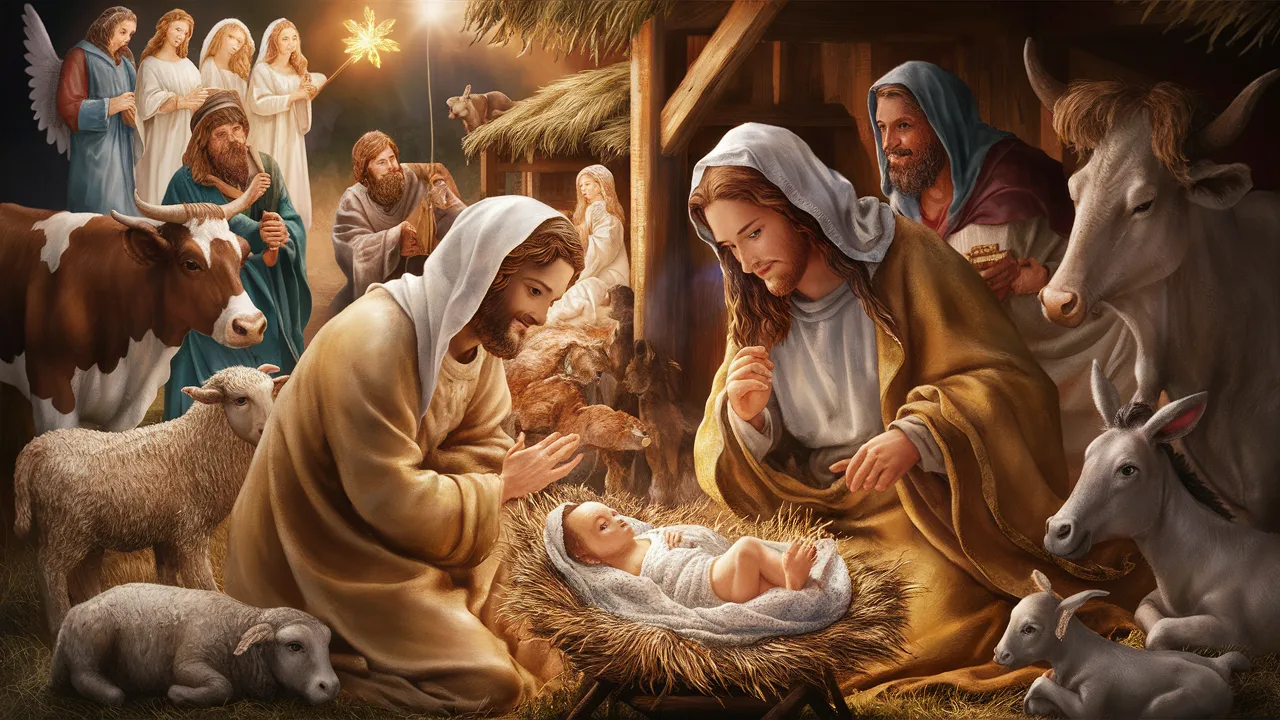
The concept of Nativität, commonly known in English as the Nativity, refers to the birth of Jesus Christ and the deeply symbolic events surrounding it. This moment is not only central to Christian theology but also plays a major role in global culture, art, traditions, and seasonal celebrations such as Christmas. Across centuries, the Nativity has been interpreted through religious texts, artistic expressions, theatrical performances, and cultural customs, making it one of the most influential narratives in human history.
We explore the meaning of Nativität, its historical background, symbolic elements, artistic representations, and its continuing relevance in modern society. By understanding the Nativity story in depth, we gain insight into how it has shaped religious beliefs, cultural identity, and global traditions.
Understanding the Meaning of Nativität
The word Nativität originates from Latin nativitas, meaning birth or origin, and is primarily associated with the birth of Jesus Christ. In Christian tradition, the Nativity represents the fulfillment of prophecy and the beginning of a spiritual era centered on hope, salvation, and divine purpose.
We understand Nativität not only as a religious event but also as a symbol of renewal, peace, and new beginnings. It is celebrated worldwide during Christmas, often depicted through nativity scenes that include figures such as Mary, Joseph, baby Jesus, shepherds, and the Three Wise Men.
Historical Background of the Nativity Story
The Nativity story is primarily recorded in the Gospels of Matthew and Luke in the New Testament. According to these accounts, Jesus was born in Bethlehem during the reign of King Herod. Mary and Joseph traveled to Bethlehem for a census, but upon arrival, they found no lodging available. As a result, Jesus was born in a humble stable and placed in a manger.
This humble setting emphasizes themes of simplicity, humility, and divine purpose, which are central to Christian teachings. The story further describes the announcement of Jesus’ birth by angels and the visit of shepherds and wise men who followed a star to witness the newborn child.
Over time, this narrative became one of the most influential stories in Western civilization, shaping religious traditions and cultural celebrations across the world.
Symbolism in Nativität (Nativity Scene Elements)
The Nativity scene is rich in symbolic meaning, with each character and element representing deeper spiritual messages.
1. Baby Jesus
Represents hope, salvation, and divine presence. His birth symbolizes the arrival of light into the world.
2. Mary and Joseph
Symbolize faith, obedience, and devotion. Their journey reflects trust in divine guidance despite uncertainty.
3. Shepherds
Represent humility and inclusion, showing that the message of Jesus is accessible to all people, regardless of status.
4. The Three Wise Men
Symbolize wisdom, knowledge, and global recognition of Christ’s birth, offering gifts of gold, frankincense, and myrrh.
5. The Star of Bethlehem
Represents divine guidance and hope, leading people toward truth and spiritual awakening.
These symbols collectively form a powerful narrative of faith, unity, and spiritual meaning.
Nativität in Art and Cultural Traditions
The Nativity has been one of the most widely represented themes in art history, especially during the Renaissance period. Artists such as Leonardo da Vinci and Caravaggio created masterpieces that depicted the birth of Christ with dramatic lighting and emotional depth.
Beyond paintings, the Nativity is also central to Christmas traditions worldwide. Nativity scenes, also known as crèches or manger displays, are set up in homes, churches, and public spaces during the holiday season. These displays serve as both educational tools and spiritual reminders of the Christmas story.
In many cultures, Nativity plays and reenactments are performed, allowing communities to actively participate in the story and preserve its significance for future generations.
Religious and Spiritual Significance of Nativität
The Nativity holds profound meaning in Christianity, representing the incarnation of God in human form. It emphasizes themes of love, sacrifice, humility, and redemption.
We observe that the Nativity story encourages believers to reflect on values such as kindness, generosity, and compassion. It also highlights the idea that greatness can emerge from the most humble beginnings.
For many, Nativität is not only a historical or religious event but also a spiritual reminder of hope and renewal in life.
Modern Interpretations of Nativität
In today’s world, the Nativity continues to evolve in meaning. While it remains a central part of Christian faith, it is also widely recognized as a cultural and festive symbol during Christmas.
Modern interpretations often focus on themes of peace, unity, and family togetherness. In some cases, Nativity scenes are adapted to reflect local cultures and traditions, making the story more relatable to diverse communities around the world.
Additionally, digital media and modern art have expanded the ways in which the Nativity is represented, ensuring its continued relevance in contemporary society.
Conclusion: The Lasting Legacy of Nativität
The concept of Nativität (Nativity) remains one of the most powerful and enduring stories in human history. Its influence extends beyond religion into art, culture, tradition, and global celebrations. The story of the Nativity continues to inspire millions of people by emphasizing values such as hope, humility, and spiritual awakening.
We conclude that the Nativity is not just a historical event but a living tradition that continues to shape cultural identity and personal belief systems. Its timeless message ensures that it remains relevant across generations, reminding humanity of the importance of compassion, unity, and faith.
Frequently Asked Questions (FAQ)
What does Nativität mean?
Nativität is the German term for Nativity, referring to the birth of Jesus Christ in Christian tradition.
Why is the Nativity important in Christianity?
It represents the birth of Jesus, who is considered the Savior, symbolizing hope and salvation.
What are the main symbols in the Nativity scene?
Key symbols include Baby Jesus, Mary, Joseph, shepherds, the Wise Men, and the Star of Bethlehem.
How is Nativität celebrated today?
It is celebrated through Christmas traditions, nativity scenes, church services, and cultural performances.
What is the origin of Nativity scenes?
They date back to medieval Europe and became widely popular through Christian religious traditions.
Is the Nativity only a religious concept?
While it is primarily religious, it also holds cultural and artistic significance worldwide.
